
The Extraordinary Objects of Waterloo
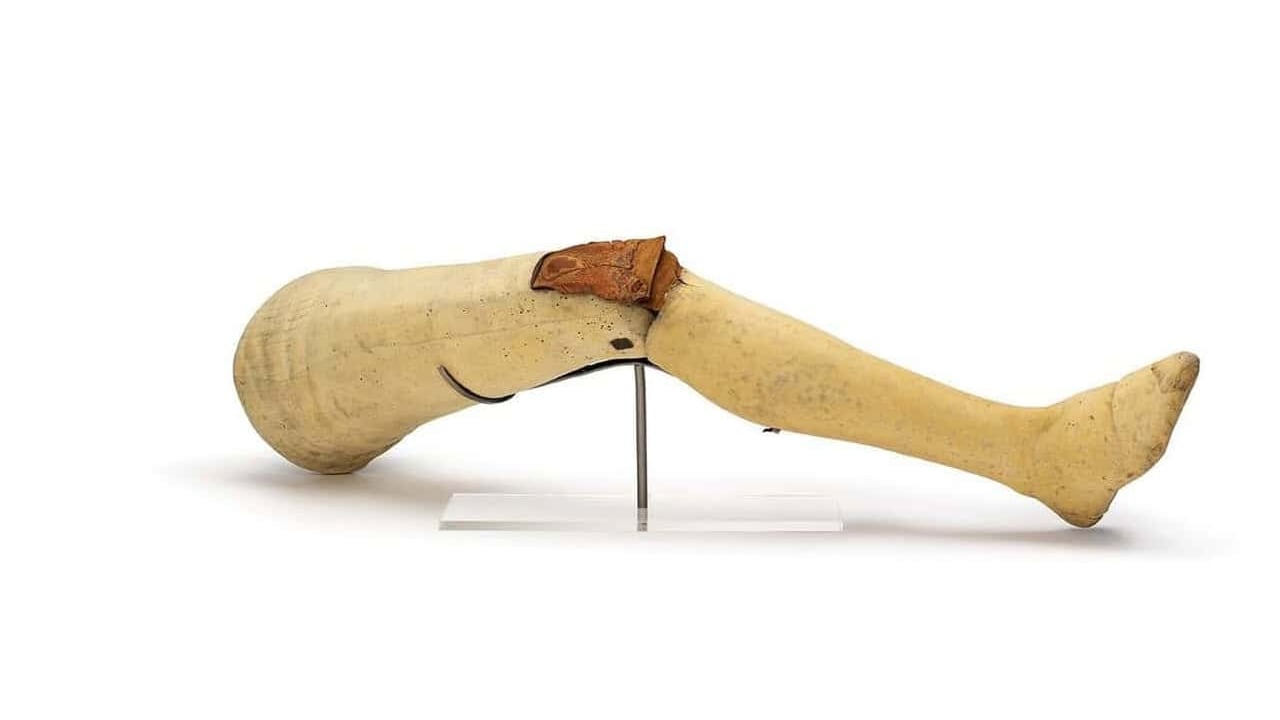
More than 200 years after the Battle of Waterloo ended Napoleon Bonaparte's ambitions and brought the Napoleonic Wars to a close, a handful of remarkable artefacts continue to tell the human stories behind the famous victory. Among the most fascinating items in the Household Cavalry Museum are the skull cast of Corporal of Horse John Shaw, the prosthetic leg of the Marquess of Anglesey, and the captured Imperial Eagle of the French 105th Regiment.
John Shaw: Waterloo's Fighting Hero
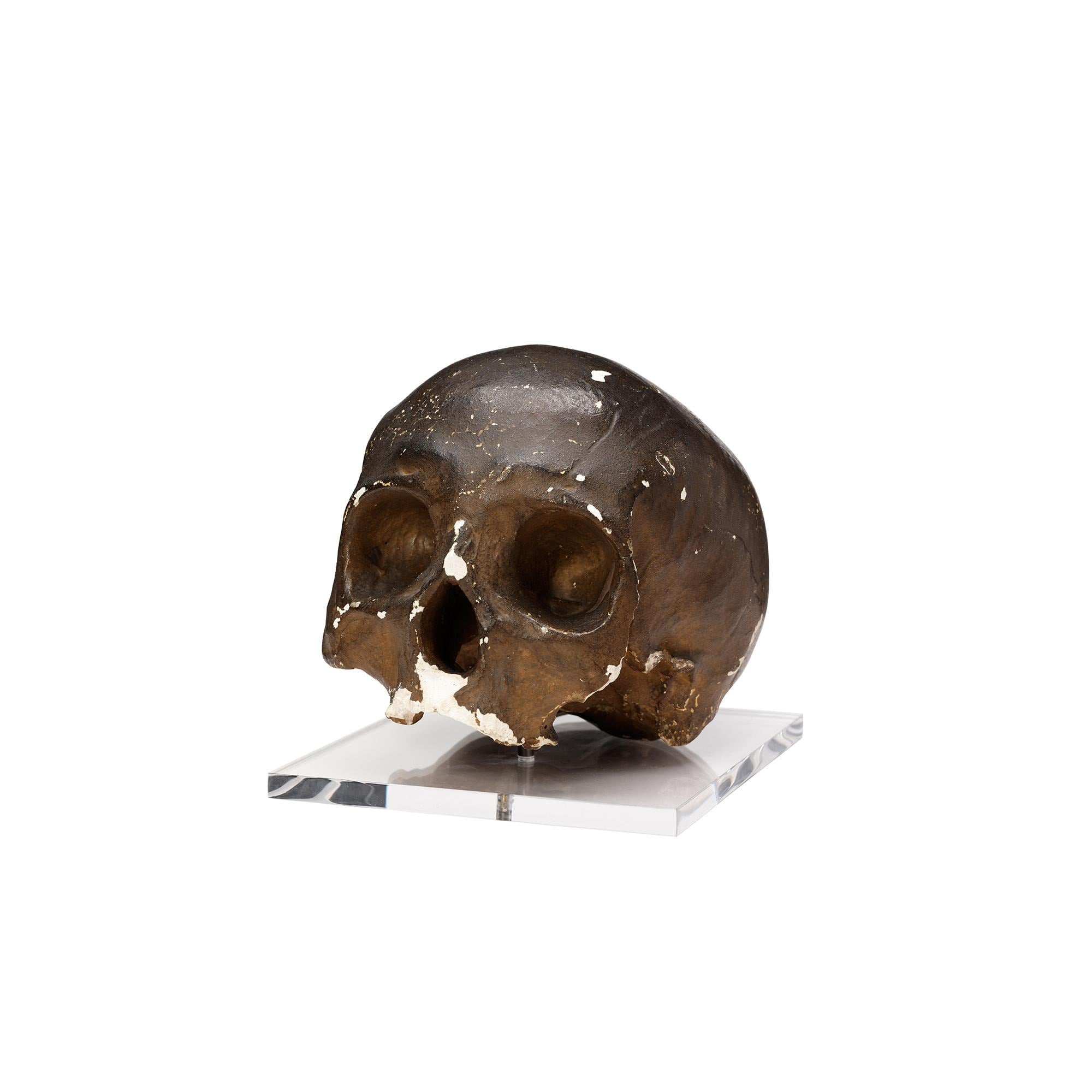
The plaster cast of John Shaw's skull is one of the museum's most unusual objects. Born in Nottinghamshire in 1789, Shaw grew into a towering cavalryman of the 2nd Life Guards and became one of Britain's most celebrated prize fighters. His boxing career was repeatedly interrupted by war, first in Spain and later when Napoleon escaped from Elba in 1815.
At Waterloo, Shaw took part in the famous charge of the Household Brigade against French cavalry and infantry. Renowned for his strength and courage, he reportedly cut down numerous French cuirassiers before becoming isolated during a French counterattack. Even after his sword broke, he continued fighting until he was overwhelmed and killed.
“Old Shaw, the Life Guardsman, why, he’s the model of the British Army itself. Ladies and gentlemen, I’d give a fifty pun’ note to be such a figure of a man.” - Inspector Bucket speaking of Corporal John Shaw of the 2nd Life Guards in Bleak House by Charles Dickens
Shaw quickly became a national hero. His remains were later returned to England, and casts of his skull were produced as mementoes of one of Waterloo's most famous soldiers. Today, his story remains a powerful symbol of bravery and sacrifice.
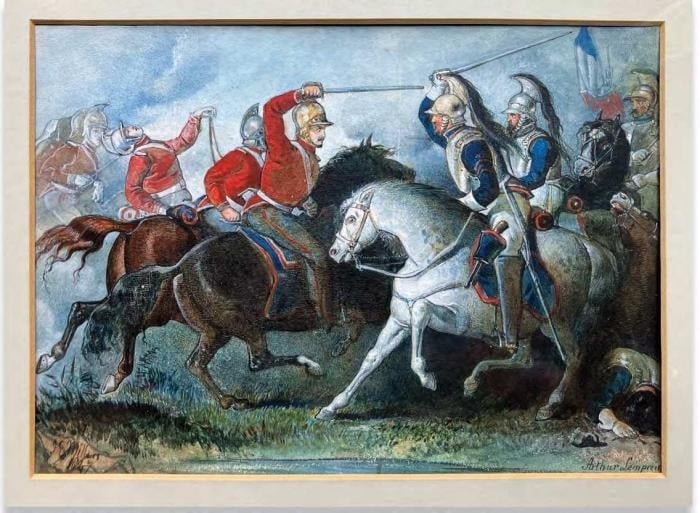
‘Shaw, the Life Guardsman, and a French cuirassier’, painted by Sir John Everett Millais. Millais was reportedly inspired to paint this scene at Waterloo by the author Sir Walter Scott, who had idolised Shaw ever since meeting him through their mutual acquaintance Benjamin Haydon during Shaw’s art modelling days. (Household Cavalry Museum Reserve Collection)
The Leg That Made Medical History
One of the best-known Waterloo artefacts is the prosthetic leg of Henry Paget, Earl of Uxbridge, later the Marquess of Anglesey. During the closing stages of the battle, a French cannonball shattered his right leg while he was riding beside the Duke of Wellington.
The injury led to one of history's most famous exchanges:
"By God, sir, I've lost my leg!"
"By God, sir, so you have."
Uxbridge survived a painful amputation without anaesthetic and later became one of Britain's most distinguished military figures. His severed leg was buried near Waterloo, where it became an unlikely tourist attraction for decades.
Determined to regain mobility, Anglesey commissioned an advanced prosthetic limb with articulated joints. Known as the "Anglesey Leg," it became one of the most influential prosthetic designs of the nineteenth century and remained a model for military prosthetics for generations.
The Eagle of the 105th
The third Waterloo relic tells a story not of loss but of triumph. Displayed in the Household Cavalry Museum is a magnificent gilded eagle that once crowned the standard of the French 105th Regiment of the Line. Captured during the battle and brought back to Britain as a trophy, it remains one of the most significant battlefield prizes won by the British Army during the Napoleonic Wars.
To understand its importance, one must appreciate what the eagle represented. In 1804, shortly after becoming Emperor of France, Napoleon adopted the eagle as the symbol of his regime. Inspired by the aquila standards carried by Roman legions, these gilded eagles embodied honour, loyalty, and military pride. Every regiment entrusted with one was expected to defend it to the death. The loss of an eagle was considered a disgrace of the highest order. Following Napoleon’s first abdication in 1814, the restored Bourbon monarchy ordered existing eagles destroyed. When Napoleon returned to power during the Hundred Days, new eagles were hastily commissioned. The Eagle of the 105th belonged to this final generation. Though less refined than earlier examples, they carried immense symbolic value for the soldiers who marched beneath them.
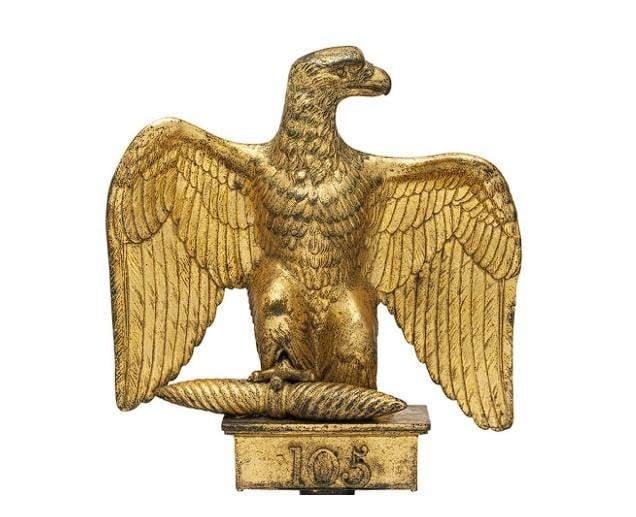
Only two French Imperial Eagles were captured by British forces at Waterloo. One belonged to the 45th Regiment and is today displayed at Edinburgh Castle. The other was the Eagle of the 105th. Its capture occurred during the dramatic charge of the Union Brigade led by Major General Sir William Ponsonby. As British cavalry crashed into d’Erlon’s advancing corps, fierce hand-to-hand combat erupted across the battlefield.
Captain Alexander Clarke Kennedy of the 1st Royal Dragoons claimed to have personally killed the eagle bearer and seized the standard. Corporal Francis Styles later asserted that he deserved equal credit, having carried the eagle to safety after it fell from the dead French soldier’s grasp. The dispute over who deserved recognition continued long after the battle, but the essential fact remained: the eagle had been taken.
For the British Army, the capture represented more than a battlefield trophy. It was a symbolic victory over Napoleon’s military system itself. Just as Roman soldiers would have defended their aquilae with their lives, French troops regarded their eagles as sacred emblems of honour and identity.
The Eagle of the 105th remains preserved today not simply because it is beautiful, but because it represents one of the most dramatic moments of Waterloo. Its image lives on in the traditions of the Blues and Royals, where it appears both in the regimental cipher and on the distinctive badge worn on the left arm of the uniform.
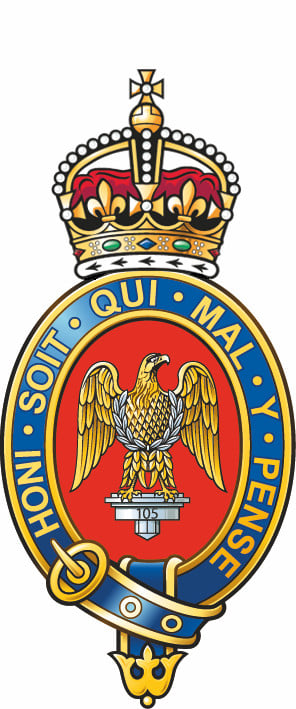
Regimental cipher of the Blues and Royals, incorporating the Eagle of the 105th.
Today, the eagle stands as a lasting symbol of the victory that ended the Napoleonic Wars and remains one of the most important trophies captured on the battlefield.
Remembering Waterloo
The skull of John Shaw, the leg of the Marquess of Anglesey, and the Eagle of the 105th each represent a different aspect of Waterloo: sacrifice, survival, and victory. Together, they provide a fascinating glimpse into the human stories behind one of history's most famous battles and demonstrate why Waterloo continues to capture the imagination more than two centuries later.
Latest stories
Blog stories
King's Troop Royal Horse Artillery
11th September 2026
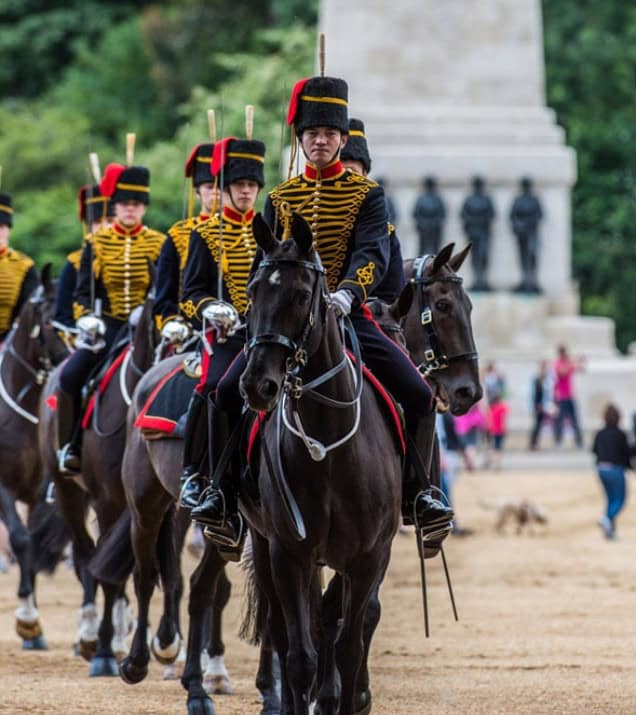
For the next few weeks, the Mounted Guard duty here at Horse Guards will be passed to the King’s Troop Royal Horse Artillery. The soldiers are extremely visually distinctive from the Household Cavalry due to their black and gold uniforms and the black fur busbies they wear in place of helmets. You will usually find the King’s Troop firing the...
HCM News
Household Cavalry Museum unveils multilingual multimedia audio tours
27th August 2026
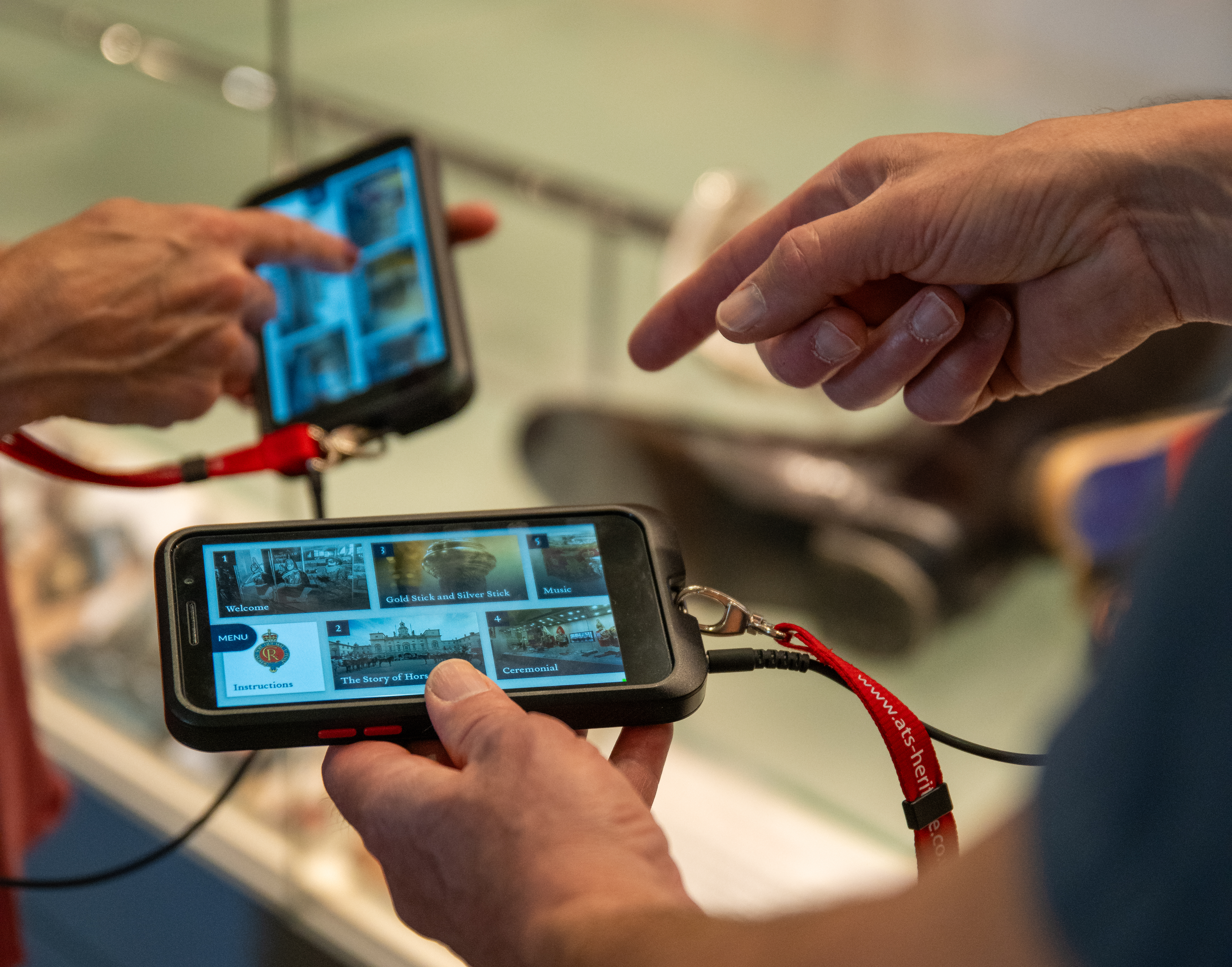
The Household Cavalry Museum has launched its new multimedia audio tours, now available in six languages: English, German, French, Italian, Spanish and Chinese. The new tours represent an investment in enhancing the visitor experience and reflect the museum’s ongoing commitment to making its collections and stories more accessible to audiences from around the world. Located in the heart of London’s historic...
Soldiers' stories
Remembering the Hyde Park Bombing, 20 July 1982
20th July 2026
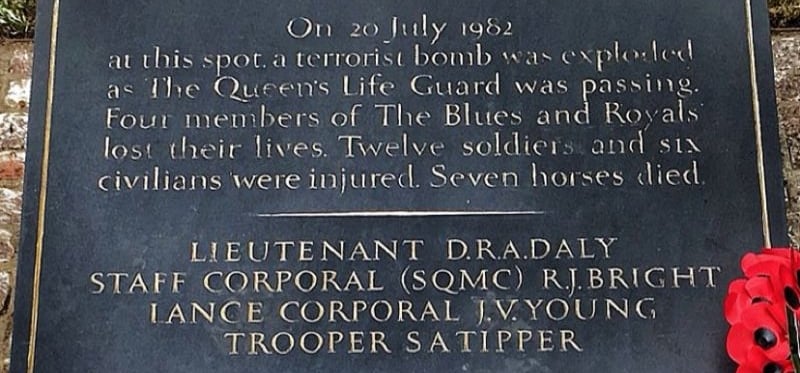
It is sometimes easy to forget, when seeing the Household Cavalry processing through London in all their pageantry, or standing motionless on their ceremonial guard duty along Whitehall, that they not simply symbols of tradition but serving soldiers of the British Army. . Behind the polished cuirasses and gleaming helmets are men and women who accept the same risks and...
Cavalry Horses
Sefton's Story: Courage in the Face of Tragedy
14th July 2026
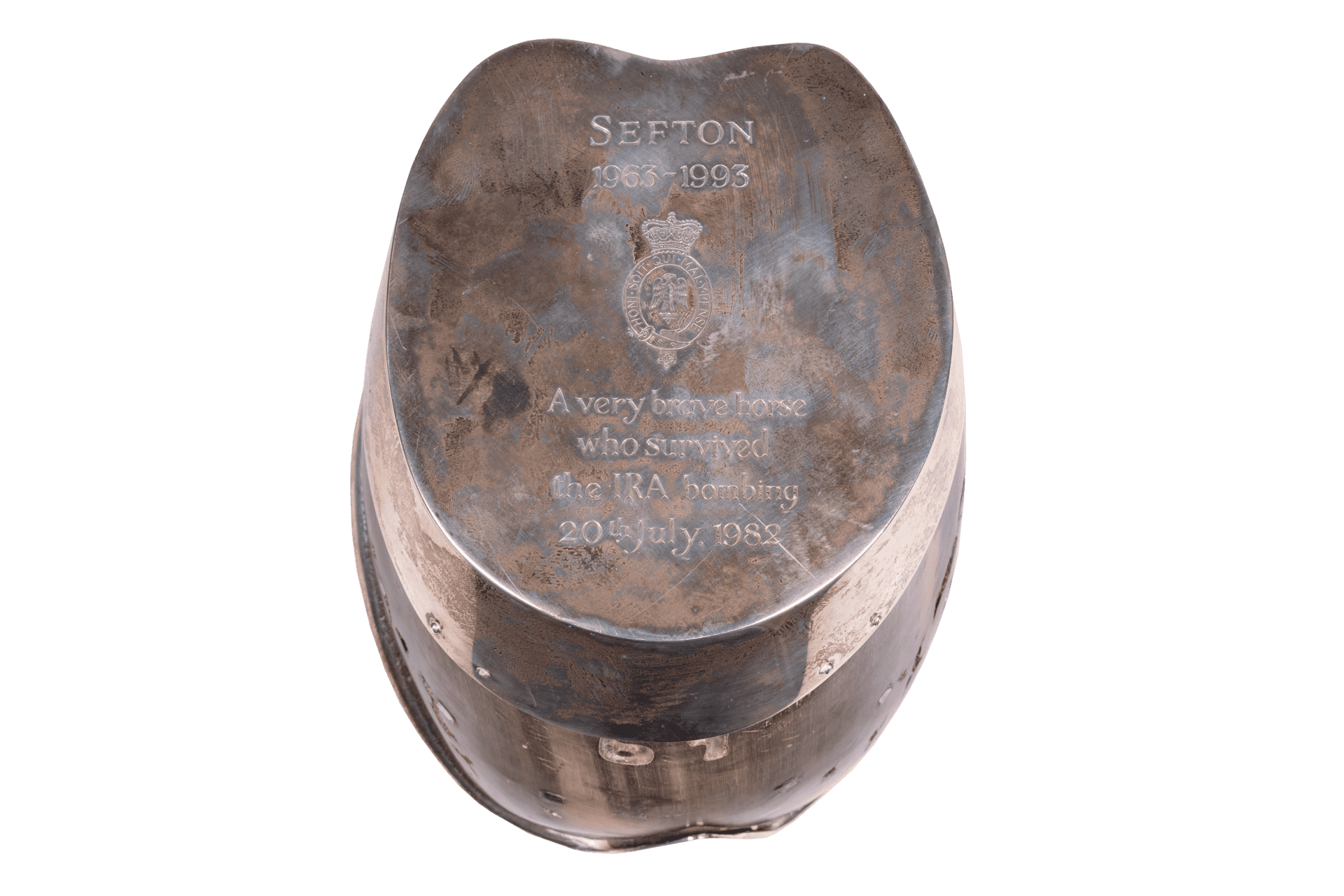
On the 9th of July, we remember Sefton, one of the Household Cavalry’s most famed horses of recent history, who embodied the regiment’s attentiveness to the well-being and care of its horses. Initially notorious amongst the regiment for stubbornness and bad behaviour, Sefton entered British history through horrific circumstances to become a symbol of fortitude, resilience and defiance. He became...
Regimental Histories
Soldiers' stories
Blog stories
The Charge of the 1st Life Guards at Genappe
17th June 2026
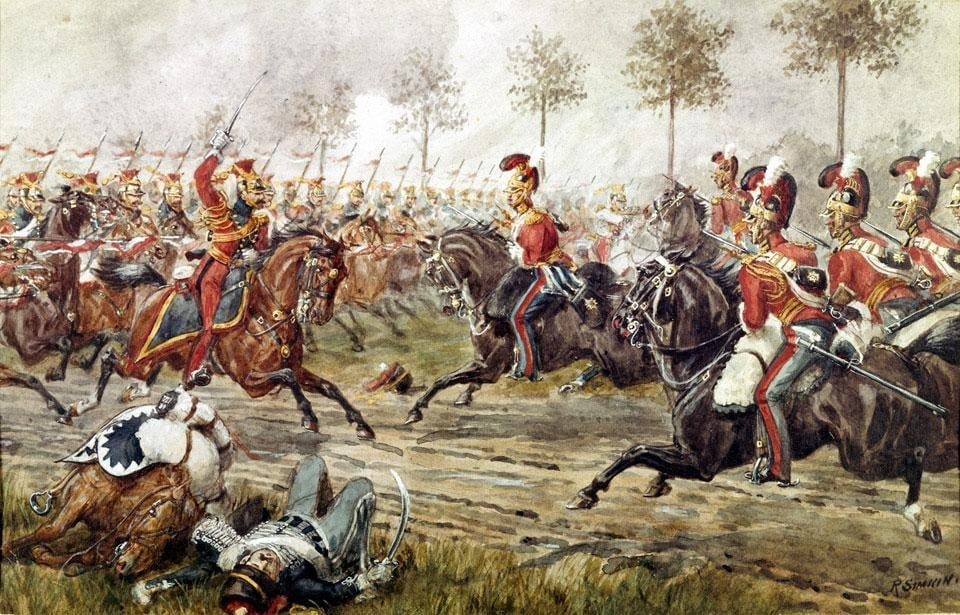
On 17 June 1815, just one day before the Battle of Waterloo, the 1st Life Guards hurled themselves into battle at the Belgian village of Genappe, fighting a savage rearguard action that rescued their comrades of the 7th Hussars and 23rd Light Dragoons from French lancers. Their timely intervention successfully threw back the French cavalry pursuing the Anglo-Allied army as...
Regimental Histories
Arms, Armour & Uniform
Dressed for Duty: The History of the Household Cavalry Uniforms
27th May 2026
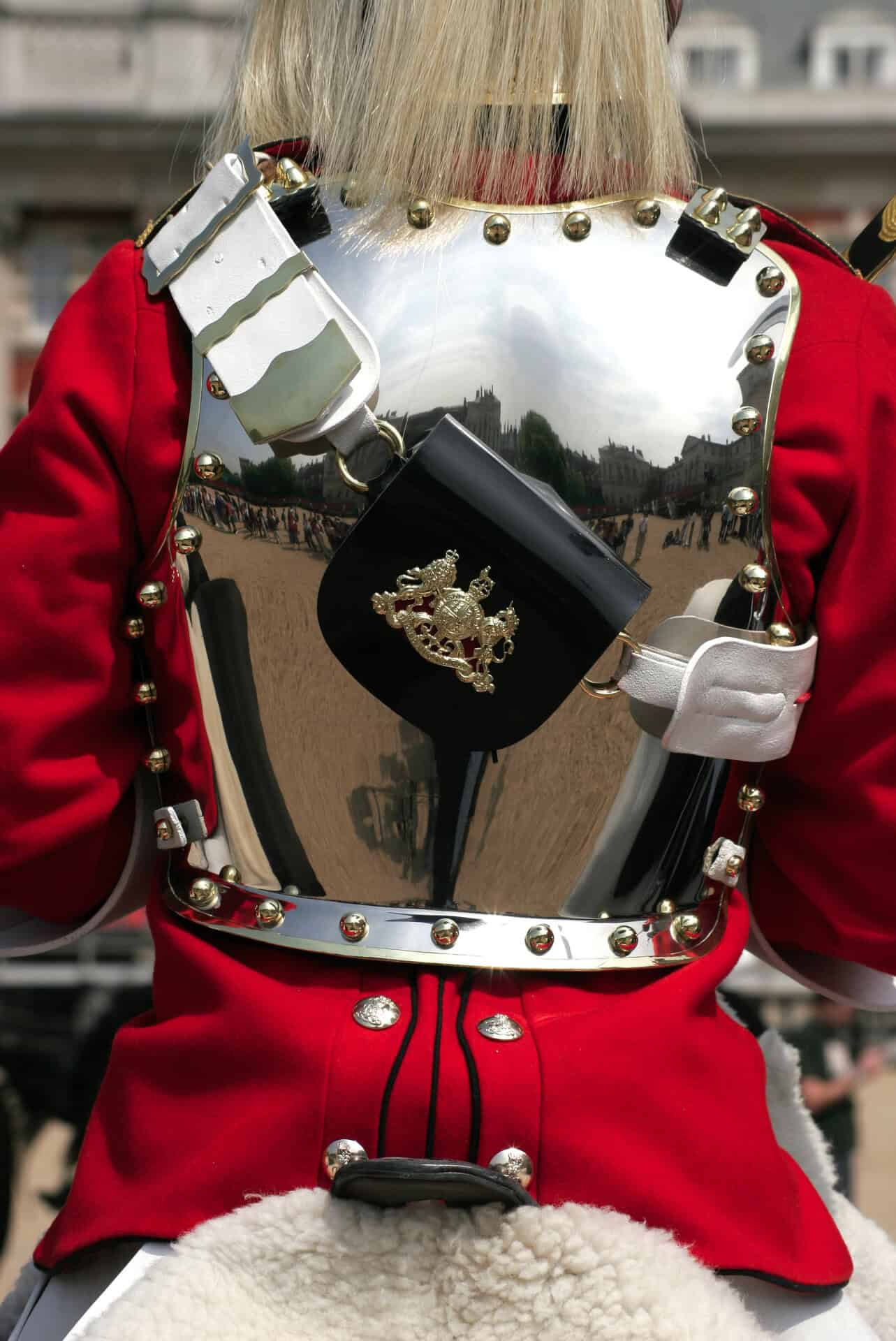
The two regiments of the Household Cavalry, the Life Guards and the Blues and Royals, are visually distinctive on parade, particularly in the coming months when they are a focal point of the summer pageantry on Horse Guards Parade. But what is the significance of their vibrant and ornate uniforms? Why do some members of the Household Cavalry differ from...
Blog stories
The Household Cavalry at the State Opening of Parliament
13th May 2026
The State Opening of Parliament is one of the most magnificent ceremonial occasions in the British calendar - and at its heart, the Household Cavalry play a central and historic role. Each year, as Parliament begins its new session, the Monarch travels in procession from Buckingham Palace to Westminster. It is the Household Cavalry who lead the way: over one...
Regimental Histories
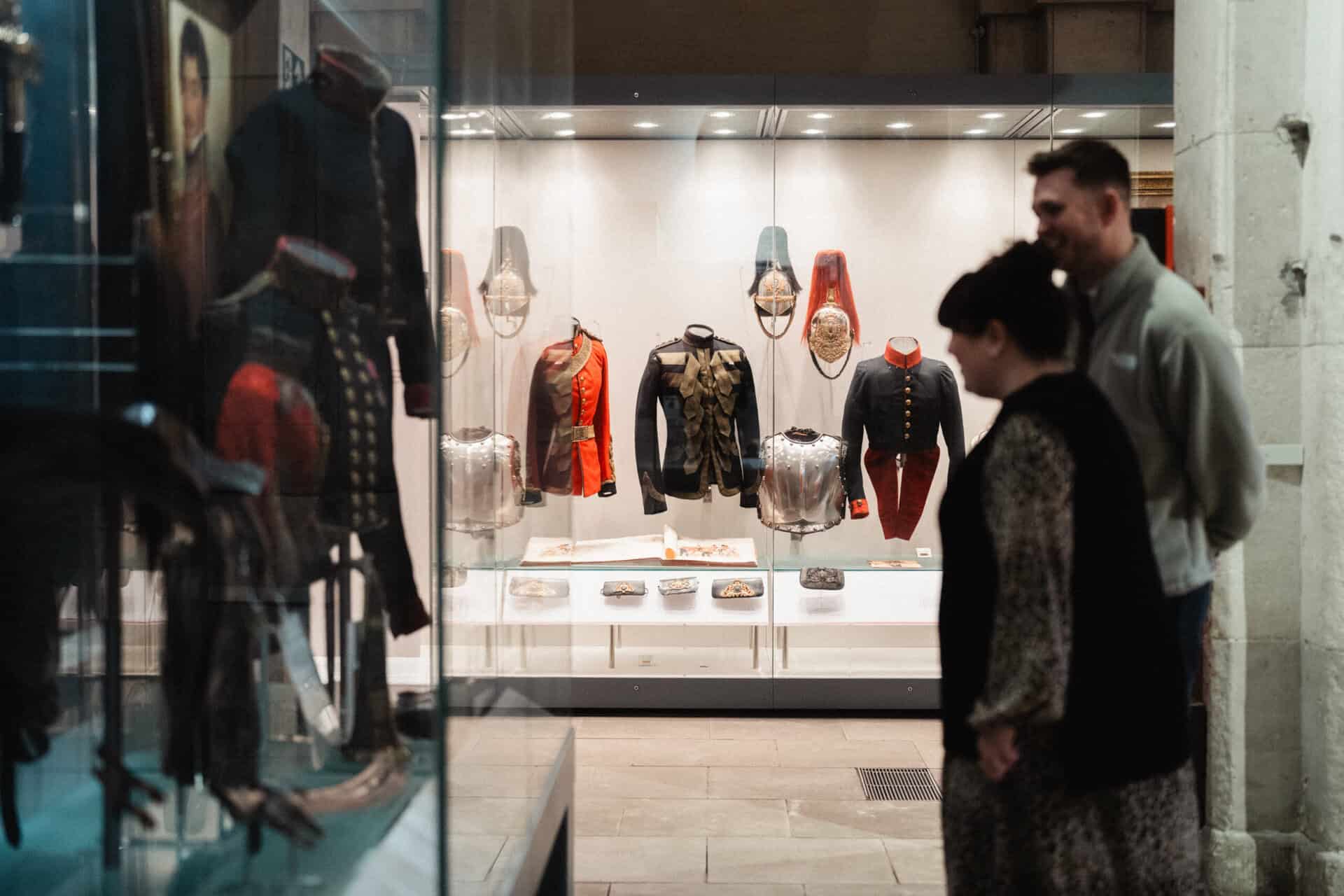
What the Objects Don’t Say: Inside the Household Cavalry Museum Collection
13th April 2026
Every artefact displayed in the Household Cavalry Museum comes with a unique story attached, some far stranger than others - from a phenomenally expensive officer’s breastplate worn only once, to a sword wielded in combat at the Battle of Waterloo, to a campaign medal awarded to a cavalry horse for bravery. It is the Museum’s responsibility to preserve this historical...
Regimental Histories
Philip the Bear: The Household Cavalry's Most Unlikely Companion
23rd March 2026
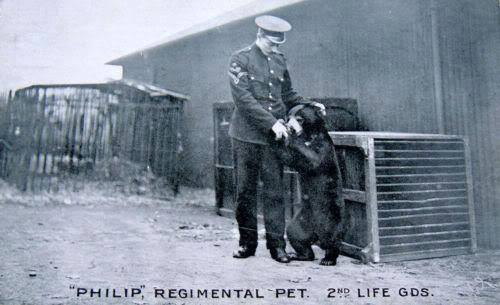
Horses more likely come to mind than bears when one mentions the Household Cavalry, but strange as it sounds, a bear has a unique claim to fame in the Household Cavalry’s regimental history, a fitting story for World Bear Day today… Phillip was a brown bear, possibly imported from Canada where they are a native species, owned as a pet...
Cavalry Horses
From Waterloo to Hyde Park: The Horses of the Household Cavalry
25th February 2026
International War Animal Day commemorates the animals of all shapes and sizes that have served, suffered and died in human conflicts throughout history: from cavalry horses and military service dogs to carrier pigeons and camels. The occasion holds particular significance for the Household Cavalry. Across centuries of military service, the Cavalry Blacks have taken part in some of the bloodiest...
Soldiers' stories
The Day Burnaby Died: Legend and Loss at Abu Klea
16th January 2026
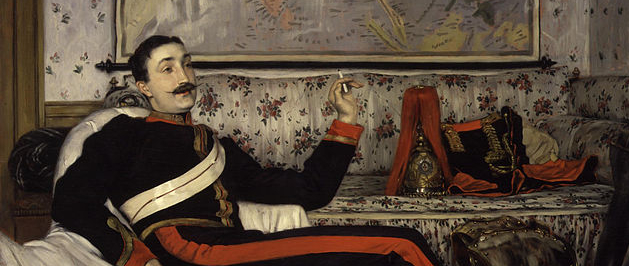
On 17 January 1885, the Household Cavalry lost one of its most legendary figures when Colonel Frederick Gustavus Burnaby was killed in action at the Battle of Abu Klea in present-day Sudan, fighting beside old comrades and dying as he had lived - with daring and courage. When General the Lord Wolseley was ordered to lead the Nile Expedition to...

Cavalry Horses
Top 10 Facts about the Horses of The Household Cavalry
17th December 2025
Towering, disciplined and steeped in centuries of tradition, the Horses of the Household Cavalry Mounted Regiment (HCMR) are as much a part of Britain’s ceremonial heritage as the soldiers who ride them. At full strength, the Regiment cares for more than 280 horses, including those fully trained and in training. To help visitors better understand these remarkable animals and the...

HCM News
A very special visit
24th April 2025
It was a pleasure to welcome Amin and his father Esmail to the museum yesterday (10/04/2024) for a very special visit. Amin, a keen fan of the Household Cavalry, had the chance to get up close with the uniforms, history, and traditions he admires so much at our museum. It was a joy to see his enthusiasm and curiosity come...

Regimental Histories
The Household Cavalry’s Royal Connections
17th April 2025
For over 350 years, the Household Cavalry has stood as a living link between the British Monarchy and its armed forces. From its origins under Charles II to its modern ceremonial duties, the Household Cavalry’s story is woven tightly into the fabric of royal history. Charles II: The Founding Monarch The story begins in the reign of Charles II, who,...

Regimental Histories
The Household Cavalry Timeline: 350 Years of History, Honour and Horses
17th April 2025
The story of the Household Cavalry is not just a tale of ceremonial pomp - it's a living timeline of royal service, military tradition, and national history. From the battlefields of Europe to the heart of London’s ceremonial life, the regiments that make up today’s Household Cavalry have played a continuous and evolving role since the 17th century. 1660 –...

Soldiers' stories
John Edwards (1st Life Guards)
31st December 2024
John Edwards was born on the 4 October 1799 in Westminster, London and joined the 1st Life Guards (1st LG) in 1809 aged just 9 years old and under 4 feet tall....


