
Sefton's Story: Courage in the Face of Tragedy
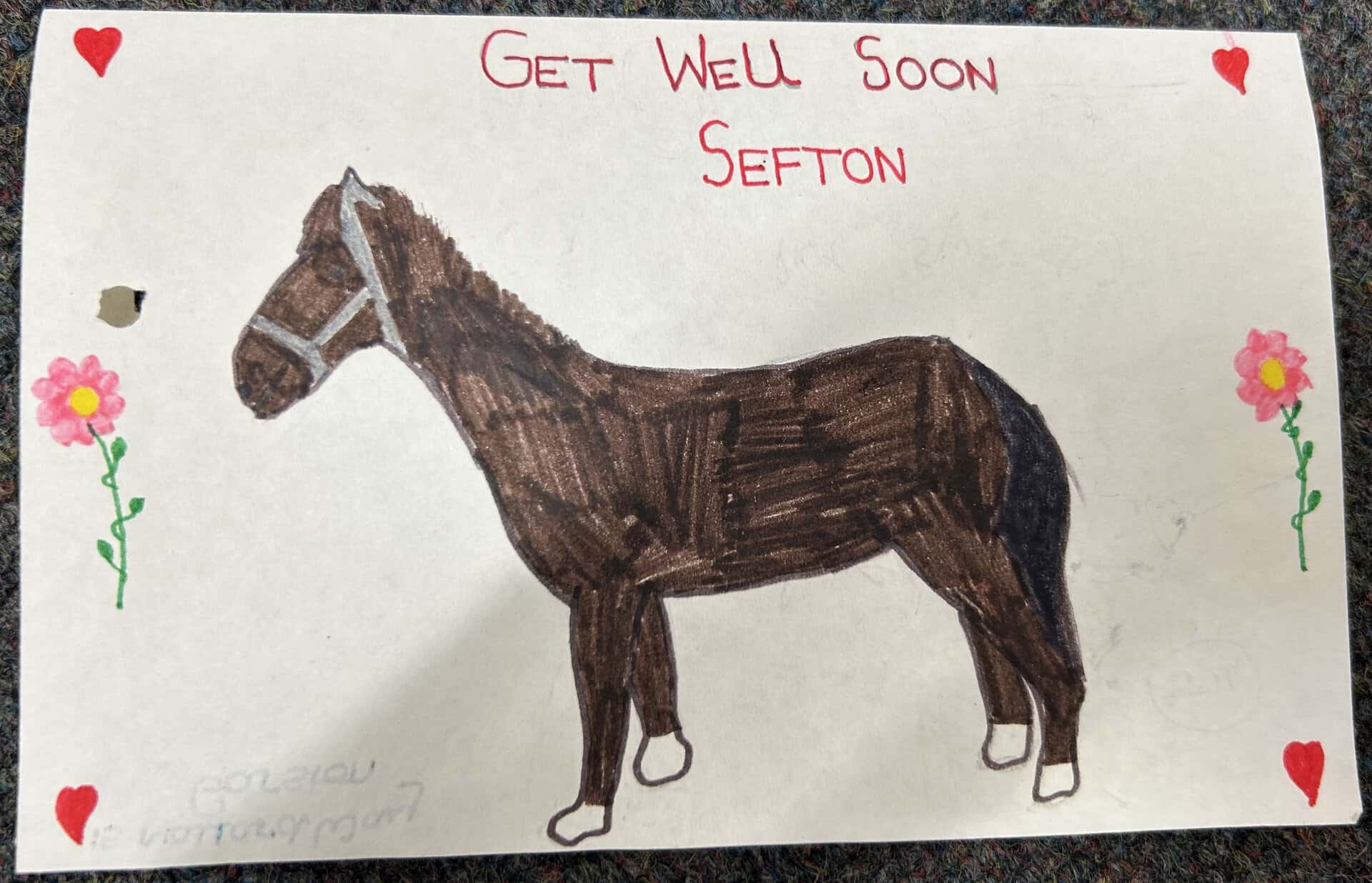
On the 9th of July, we remember Sefton, one of the Household Cavalry’s most famed horses of recent history, who embodied the regiment’s attentiveness to the well-being and care of its horses. Initially notorious amongst the regiment for stubbornness and bad behaviour, Sefton entered British history through horrific circumstances to become a symbol of fortitude, resilience and defiance. He became the face of awareness for equine care and treatment.
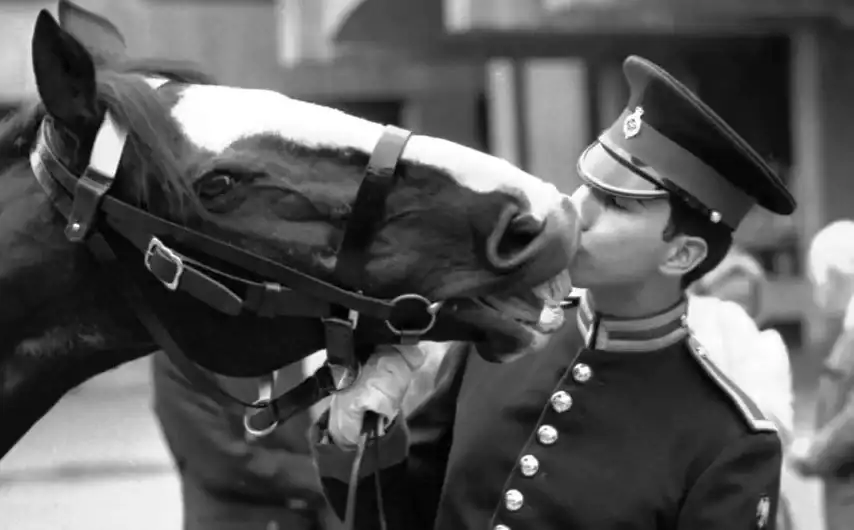
Born in County Waterford, Ireland in 1963, Sefton was purchased as a four year old and brought to England among the many horses purchased for ceremonial duty by the Household Cavalry and the King’s Troop Royal Horse Artillery. Assigned to the Household Cavalry, Sefton was nicknamed “Sharkey” in the stables due to his liking for biting at the faces of unwary troopers. His stubborn streak and reluctance to obey rider commands meant it took longer for him to ‘pass out’ at the regimental riding school at Combermere Barracks, Windsor. His stubbornness led to him being sent with the Blues and Royals on deployment in Germany, where he was often assigned to sports teams for racing, trail hunts and showjumping due to his speed and boldness. His temperament meant he was not given to new recruits to learn on, but a prize for the best recruits to ride. He would continue to participate in showjumping and equestrian sports upon his return to England, retiring from such competitions completely by 1980 as he reached the age of 18.
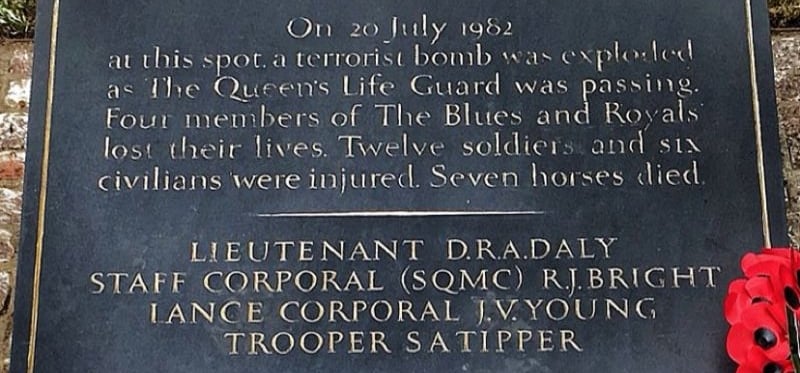
In 1975, an outbreak of strangles (a contagious respiratory condition in horses) at Hyde Park Barracks necessitated Sefton’s return to England due to a shortfall in large black horses for ceremonial duty in London. It was in this capacity that Sefton was caught up in the tragic events of Tuesday July 20th 1982: the Blues and Royals were riding down from Knightsbridge to Horse Guards for Queen's Life Guard duty when a car bomb planted by the IRA (Irish Republican Army) detonated, claiming the lives of four men: Lieutenant Anthony Daly, Lance Corporal Jeffrey Young, Staff Corporal Roy Bright and Trooper Simon Tipper and seven horses: Cedric, Epaulette, Falcon, Rochester, Waterford, Yeastvite and Zara.
A second IRA bomb detonated at a bandstand in Regent’s Park later that day claimed the lives of seven members of the Royal Green Jackets.
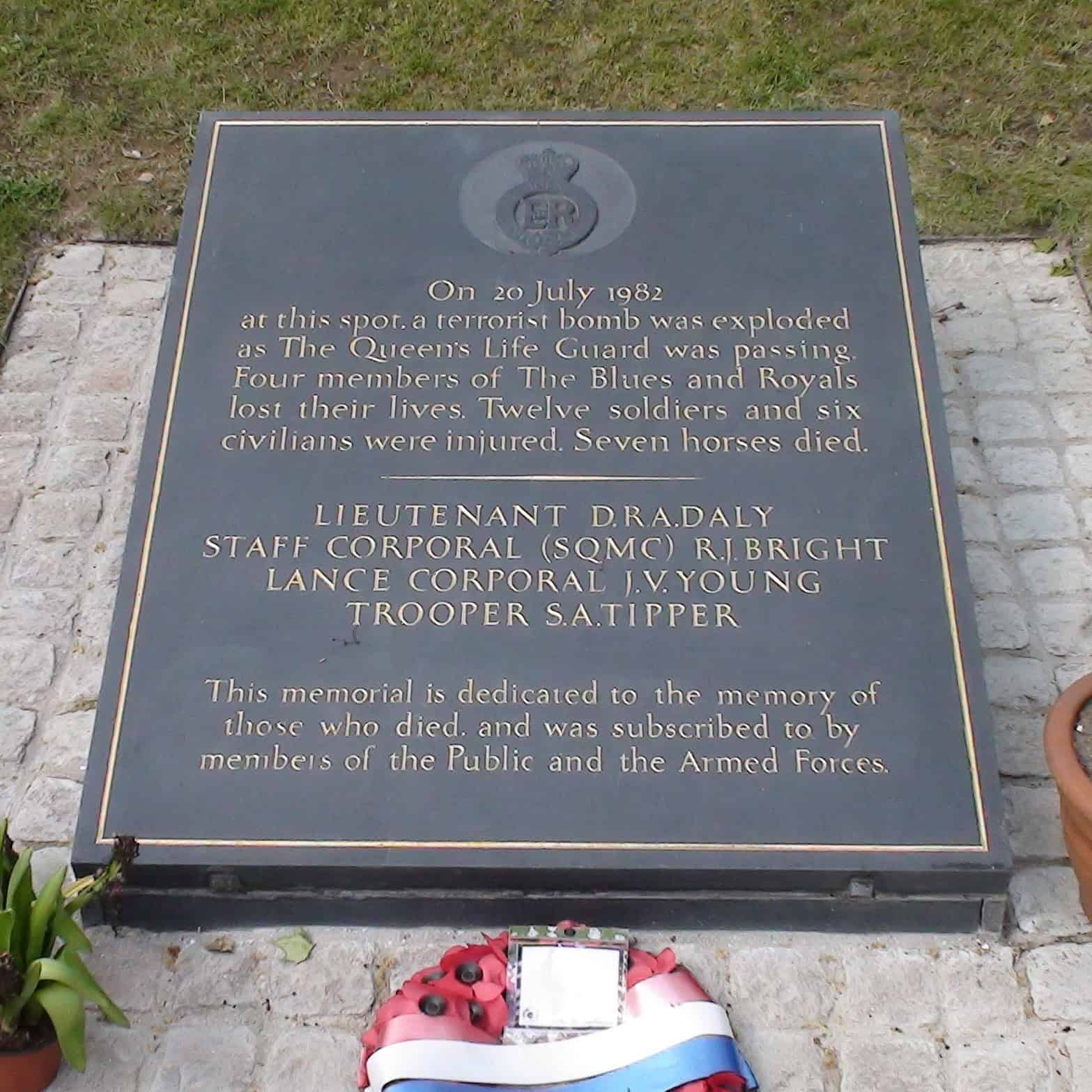
Present day memorial to the soldiers and horses of the Household Cavalry who died on July 20th 1982, erected near the site of the explosion.
Of the horses that survived the blast, Sefton was the most seriously wounded, suffering 32 potentially fatal injuries. Veterinary Officer Major Noel Carding spent 90 minutes battling to stabilise Sefton. This was the first time a British Army veterinary officer had operated in wounds inflicted on a horse through warfare in over fifty years. What followed was 8 hours of surgery - a record in British veterinary terms in 1982 - to stitch his wounds and remove shrapnel embedded in his body from the explosion. Three weeks later, Sefton was moved to the Veterinary Hospital of the Royal Army Veterinary Corps in Melton Mowbray for further surgery to remove more shrapnel the initial operation had missed.
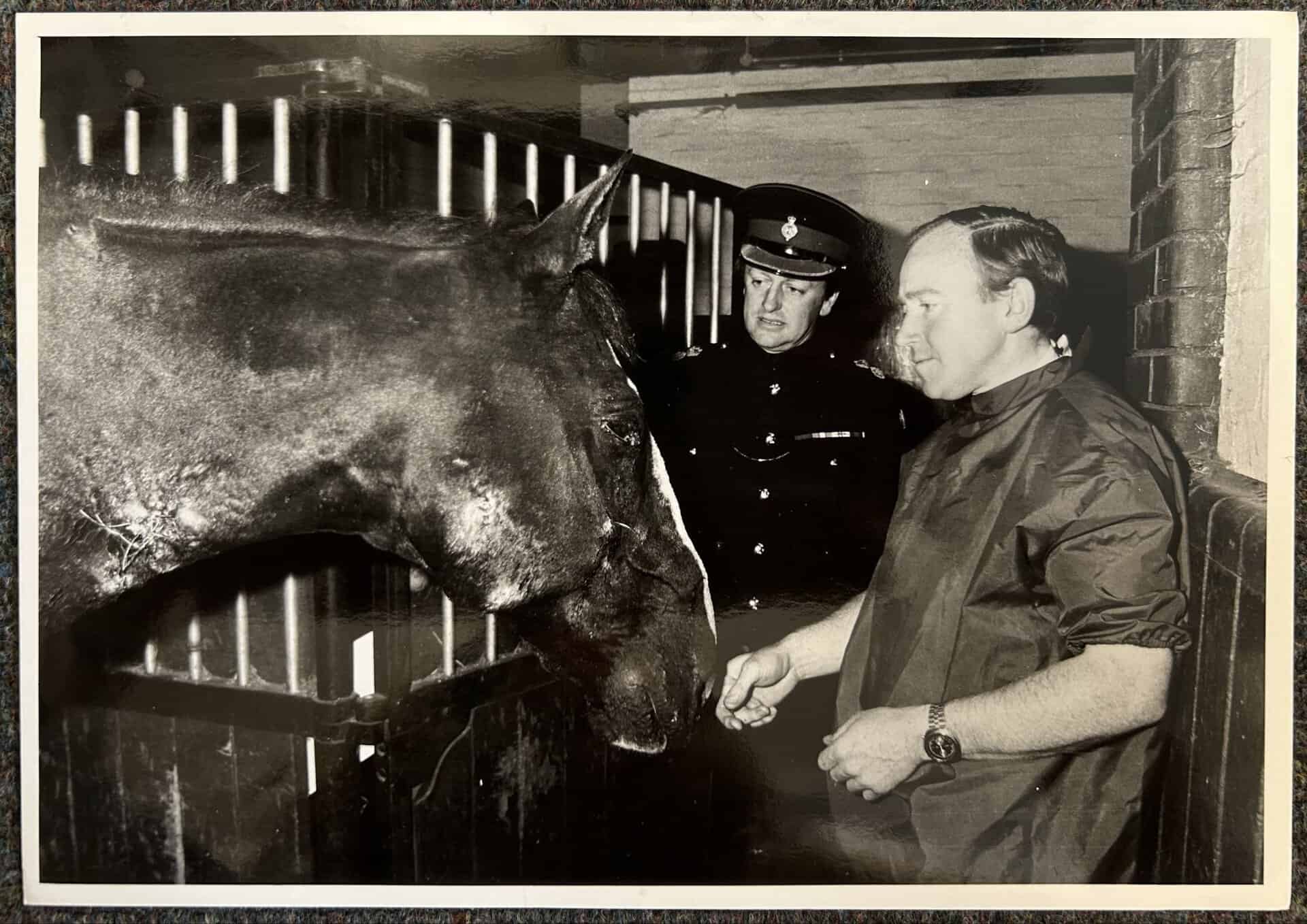
Sefton photographed alongside Lt. Col. Andrew Parker Bowles, commanding officer of the Household Cavalry Mounted Regiment, and Major Noel Carding, regimental Veterinary Officer.
Given a 50% chance of survival, Sefton made a full recovery; his horrific ordeal made him much beloved by the British public, who showered him with cards, mints and general affection. Donations exceeding £620,000 were used to finance the construction of a new equine care wing at the Royal Veterinary College, appropriately named the Sefton Wing: a lifesize bronze statue of him stands outside its doors.
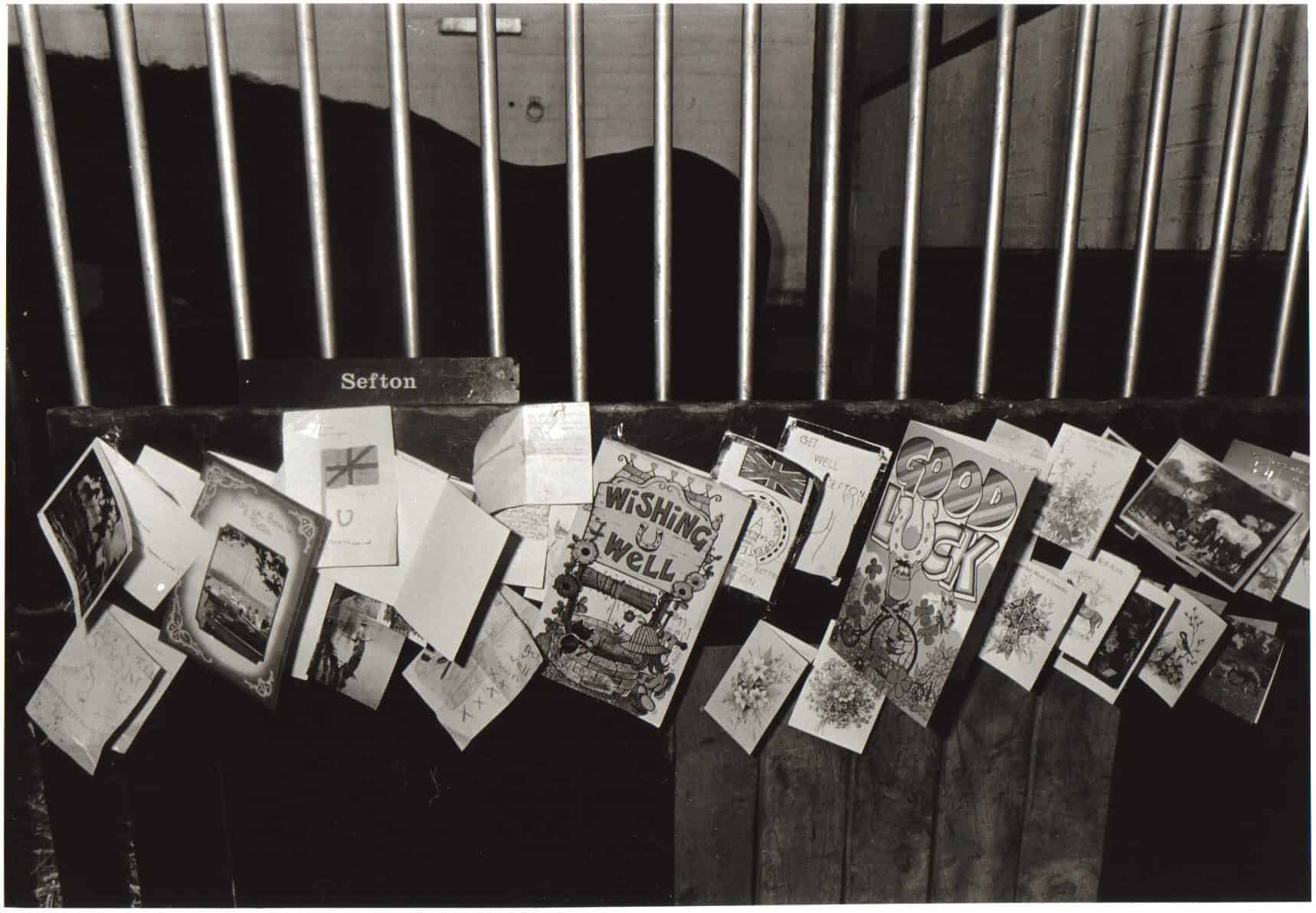
Sefton’s stall at Hyde Park Barracks stables, adorned with cards sent by well wishers during his recovery.
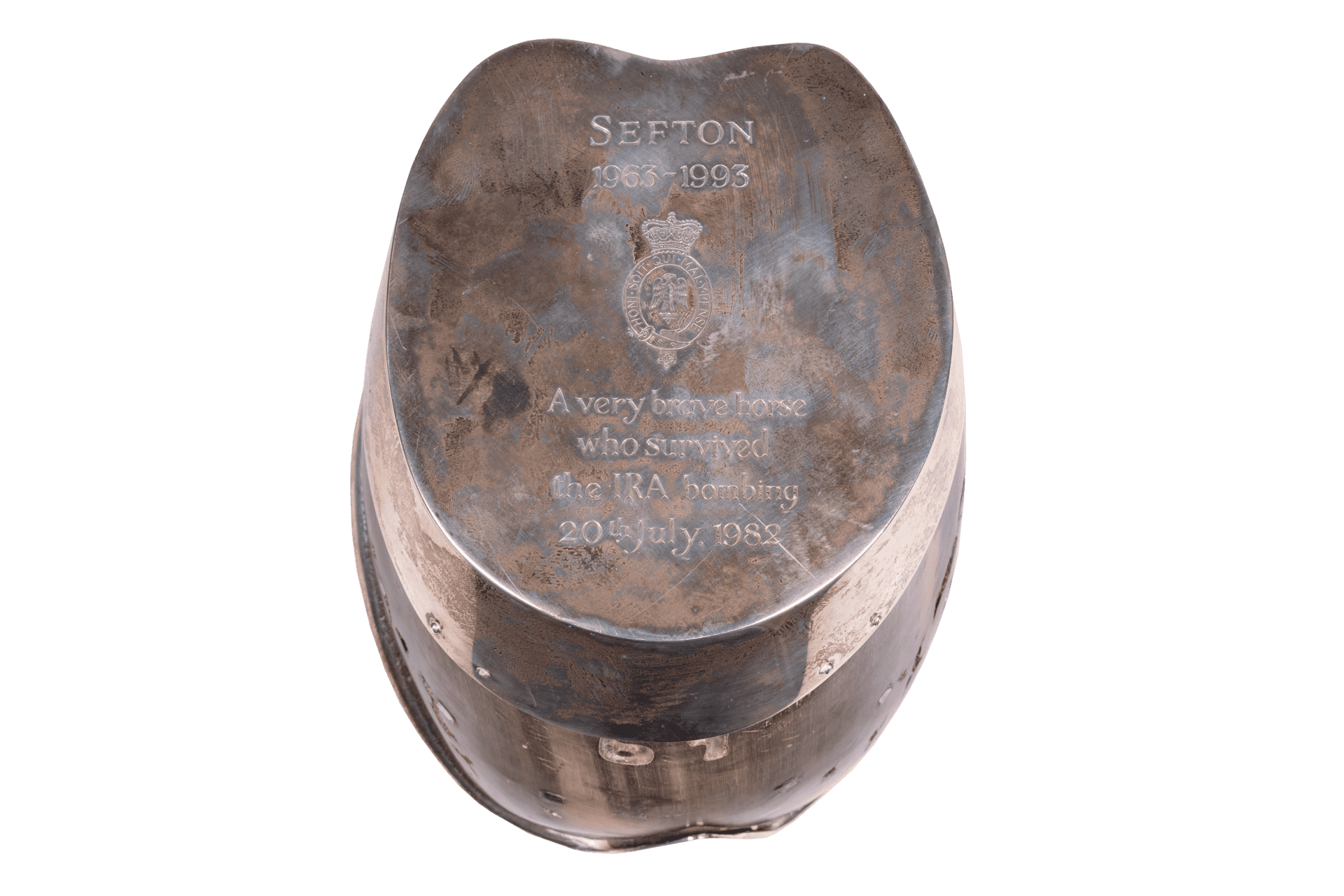
Sefton returned to active duty with the Household Cavalry by October 1982, participating in the Horse of the Year Show 1982 where he was awarded the medal for Horse of the Year, and remained a part of the regiment until his retirement on August 29th 1984. Sefton lived out the remainder of his life at the Home of Rest for Horses in Speen, Buckinghamshire, dying from health complications as a result of his injuries from the bombing on July 9th 1993.
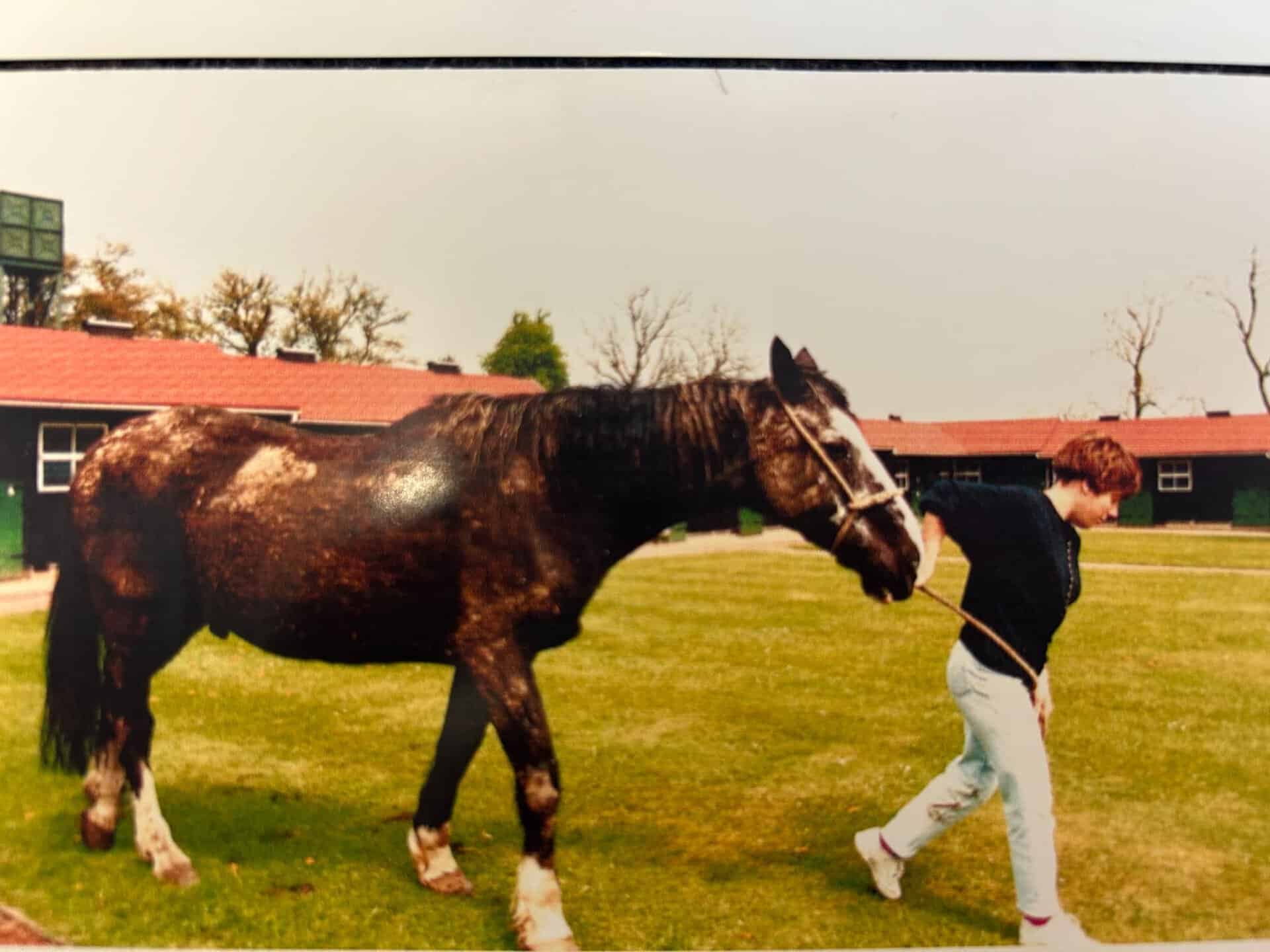
Sefton photographed at the Horse’s Trust following his retirement.
Latest stories
Blog stories
King's Troop Royal Horse Artillery
11th September 2026
For the next few weeks, the Mounted Guard duty here at Horse Guards will be passed to the King’s Troop Royal Horse Artillery. The soldiers are extremely visually distinctive from the Household Cavalry due to their black and gold uniforms and the black fur busbies they wear in place of helmets. You will usually find the King’s Troop firing the...
HCM News
Household Cavalry Museum unveils multilingual multimedia audio tours
27th August 2026
The Household Cavalry Museum has launched its new multimedia audio tours, now available in six languages: English, German, French, Italian, Spanish and Chinese. The new tours represent an investment in enhancing the visitor experience and reflect the museum’s ongoing commitment to making its collections and stories more accessible to audiences from around the world. Located in the heart of London’s historic...
Soldiers' stories
Remembering the Hyde Park Bombing, 20 July 1982
20th July 2026
It is sometimes easy to forget, when seeing the Household Cavalry processing through London in all their pageantry, or standing motionless on their ceremonial guard duty along Whitehall, that they not simply symbols of tradition but serving soldiers of the British Army. . Behind the polished cuirasses and gleaming helmets are men and women who accept the same risks and...
Regimental Histories
The Extraordinary Objects of Waterloo
17th June 2026
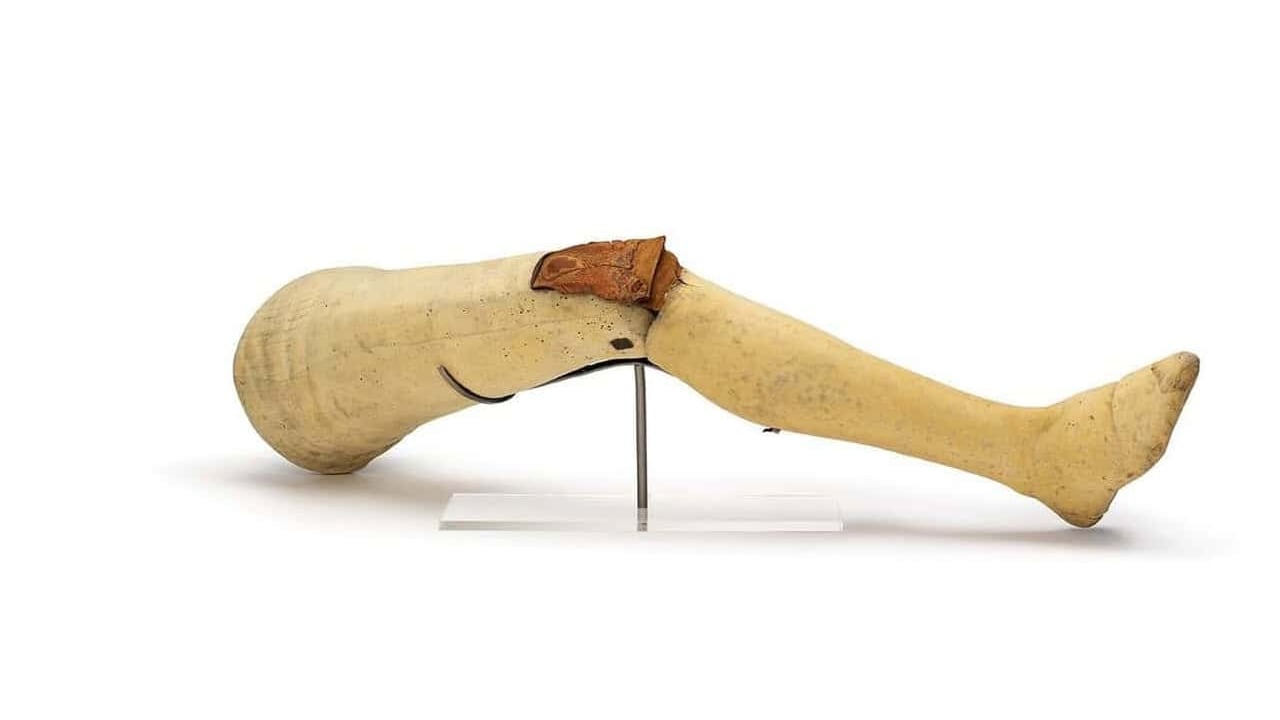
More than 200 years after the Battle of Waterloo ended Napoleon Bonaparte's ambitions and brought the Napoleonic Wars to a close, a handful of remarkable artefacts continue to tell the human stories behind the famous victory. Among the most fascinating items in the Household Cavalry Museum are the skull cast of Corporal of Horse John Shaw, the prosthetic leg of...
Regimental Histories
Soldiers' stories
Blog stories
The Charge of the 1st Life Guards at Genappe
17th June 2026
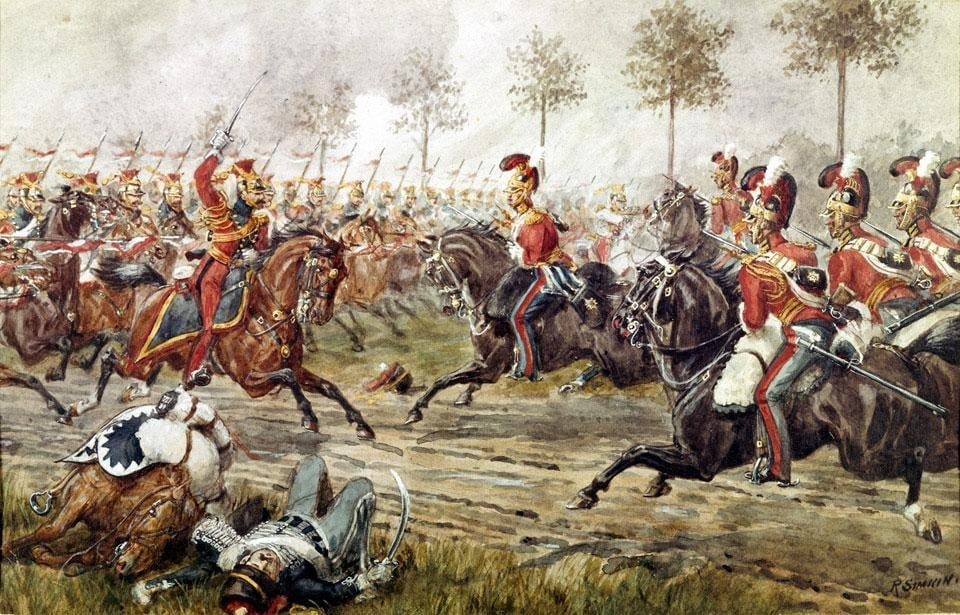
On 17 June 1815, just one day before the Battle of Waterloo, the 1st Life Guards hurled themselves into battle at the Belgian village of Genappe, fighting a savage rearguard action that rescued their comrades of the 7th Hussars and 23rd Light Dragoons from French lancers. Their timely intervention successfully threw back the French cavalry pursuing the Anglo-Allied army as...
Regimental Histories
Arms, Armour & Uniform
Dressed for Duty: The History of the Household Cavalry Uniforms
27th May 2026
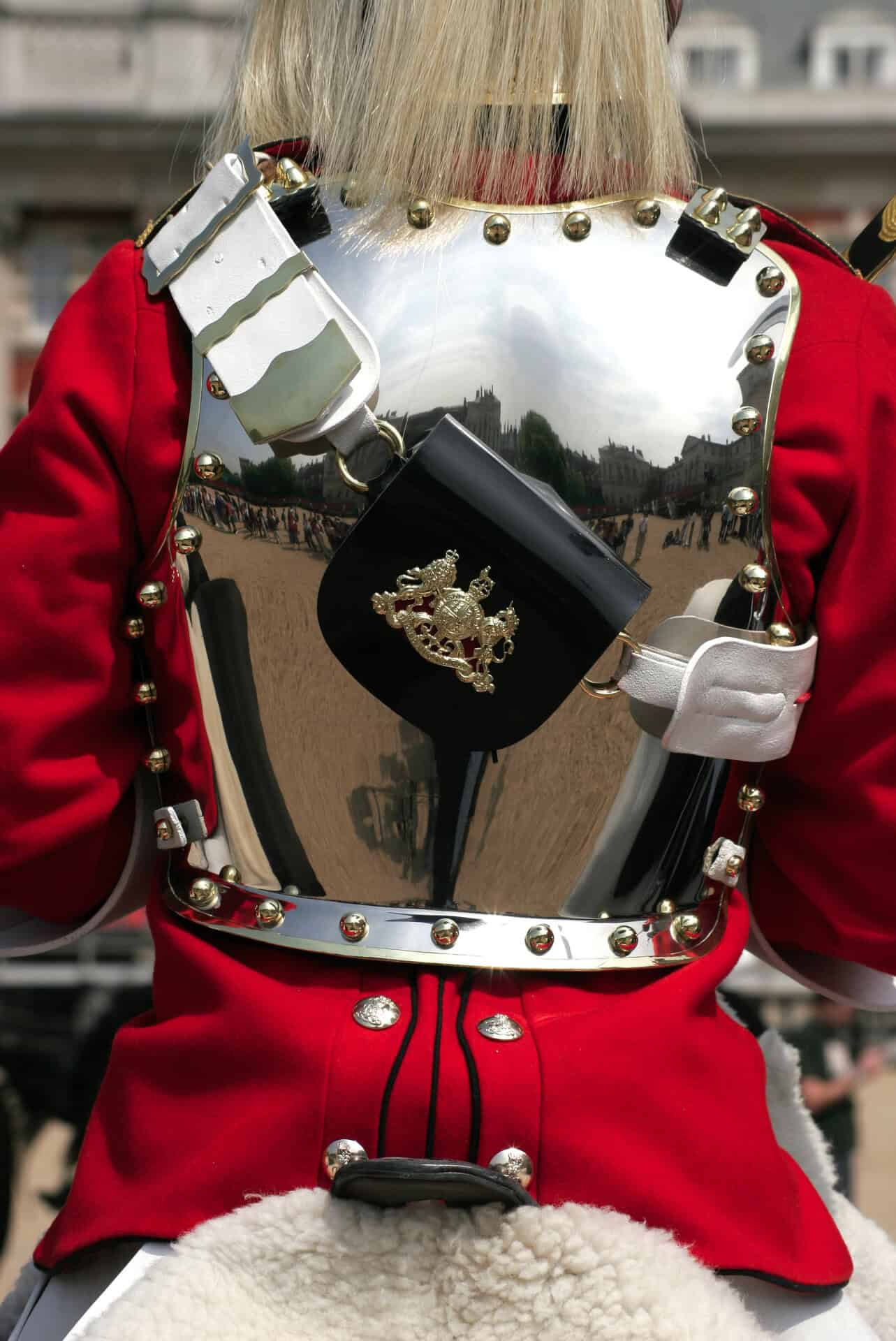
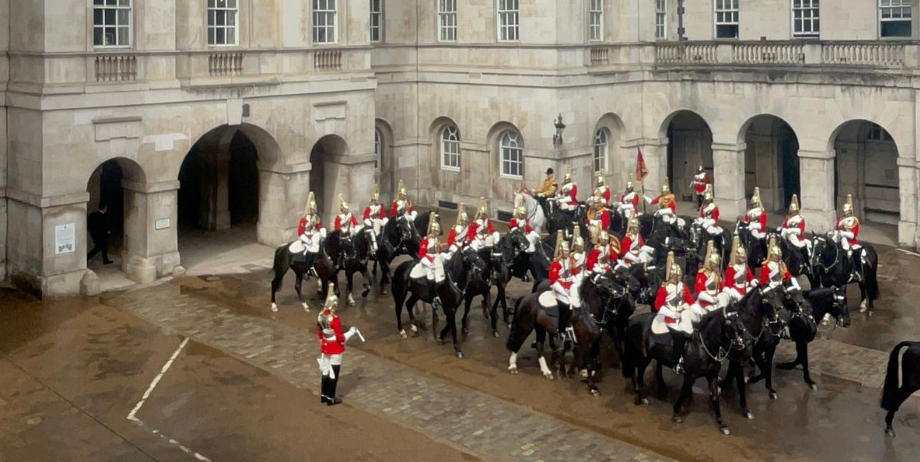
The two regiments of the Household Cavalry, the Life Guards and the Blues and Royals, are visually distinctive on parade, particularly in the coming months when they are a focal point of the summer pageantry on Horse Guards Parade. But what is the significance of their vibrant and ornate uniforms? Why do some members of the Household Cavalry differ from...
Blog stories
The Household Cavalry at the State Opening of Parliament
13th May 2026
The State Opening of Parliament is one of the most magnificent ceremonial occasions in the British calendar - and at its heart, the Household Cavalry play a central and historic role. Each year, as Parliament begins its new session, the Monarch travels in procession from Buckingham Palace to Westminster. It is the Household Cavalry who lead the way: over one...
Regimental Histories
What the Objects Don’t Say: Inside the Household Cavalry Museum Collection
13th April 2026
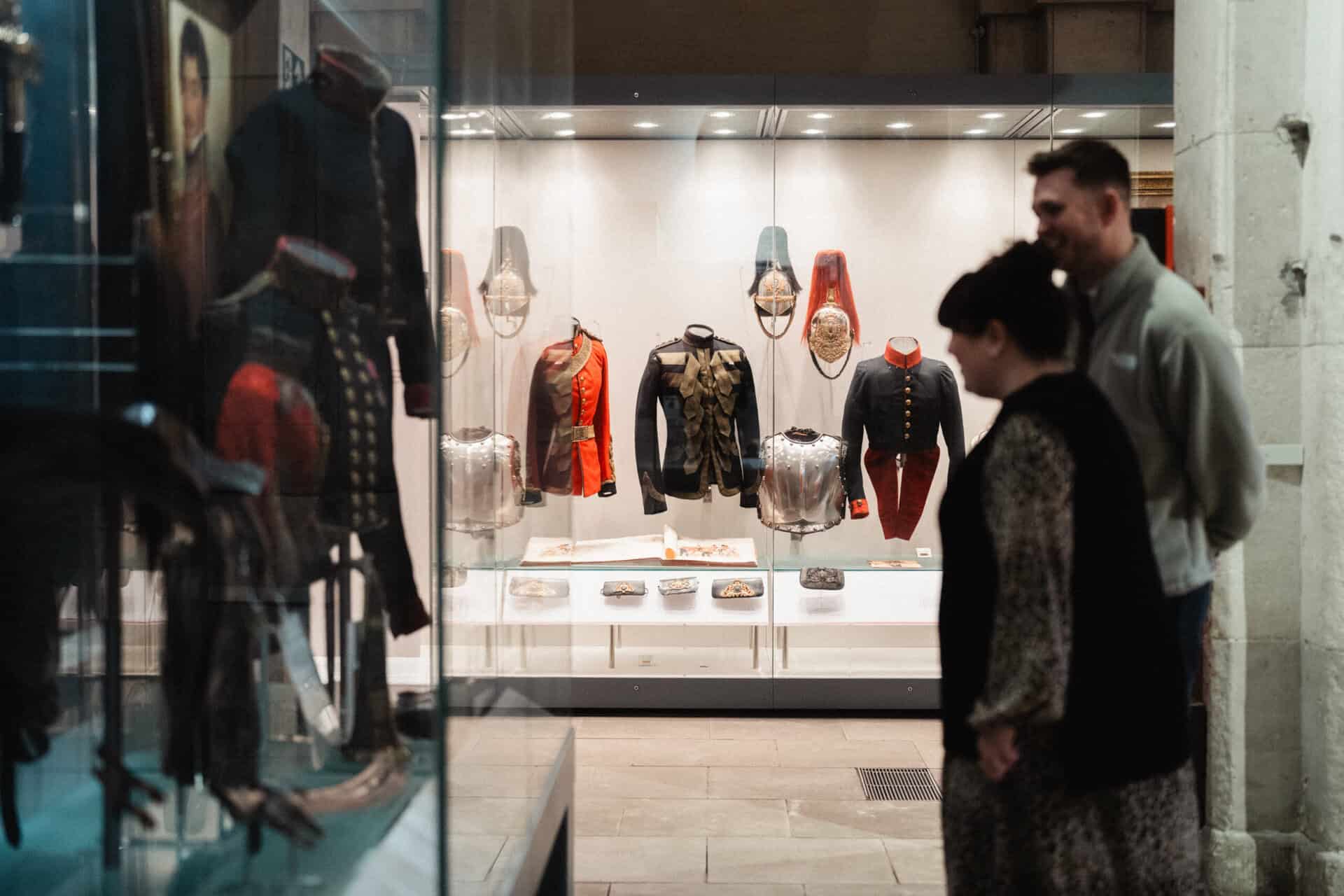
Every artefact displayed in the Household Cavalry Museum comes with a unique story attached, some far stranger than others - from a phenomenally expensive officer’s breastplate worn only once, to a sword wielded in combat at the Battle of Waterloo, to a campaign medal awarded to a cavalry horse for bravery. It is the Museum’s responsibility to preserve this historical...
Regimental Histories
Philip the Bear: The Household Cavalry's Most Unlikely Companion
23rd March 2026
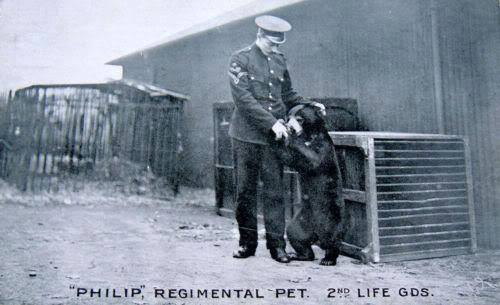
Horses more likely come to mind than bears when one mentions the Household Cavalry, but strange as it sounds, a bear has a unique claim to fame in the Household Cavalry’s regimental history, a fitting story for World Bear Day today… Phillip was a brown bear, possibly imported from Canada where they are a native species, owned as a pet...
Cavalry Horses
From Waterloo to Hyde Park: The Horses of the Household Cavalry
25th February 2026
International War Animal Day commemorates the animals of all shapes and sizes that have served, suffered and died in human conflicts throughout history: from cavalry horses and military service dogs to carrier pigeons and camels. The occasion holds particular significance for the Household Cavalry. Across centuries of military service, the Cavalry Blacks have taken part in some of the bloodiest...
Soldiers' stories
The Day Burnaby Died: Legend and Loss at Abu Klea
16th January 2026
On 17 January 1885, the Household Cavalry lost one of its most legendary figures when Colonel Frederick Gustavus Burnaby was killed in action at the Battle of Abu Klea in present-day Sudan, fighting beside old comrades and dying as he had lived - with daring and courage. When General the Lord Wolseley was ordered to lead the Nile Expedition to...

Cavalry Horses
Top 10 Facts about the Horses of The Household Cavalry
17th December 2025
Towering, disciplined and steeped in centuries of tradition, the Horses of the Household Cavalry Mounted Regiment (HCMR) are as much a part of Britain’s ceremonial heritage as the soldiers who ride them. At full strength, the Regiment cares for more than 280 horses, including those fully trained and in training. To help visitors better understand these remarkable animals and the...

HCM News
A very special visit
24th April 2025
It was a pleasure to welcome Amin and his father Esmail to the museum yesterday (10/04/2024) for a very special visit. Amin, a keen fan of the Household Cavalry, had the chance to get up close with the uniforms, history, and traditions he admires so much at our museum. It was a joy to see his enthusiasm and curiosity come...

Regimental Histories
The Household Cavalry’s Royal Connections
17th April 2025
For over 350 years, the Household Cavalry has stood as a living link between the British Monarchy and its armed forces. From its origins under Charles II to its modern ceremonial duties, the Household Cavalry’s story is woven tightly into the fabric of royal history. Charles II: The Founding Monarch The story begins in the reign of Charles II, who,...

Regimental Histories
The Household Cavalry Timeline: 350 Years of History, Honour and Horses
17th April 2025
The story of the Household Cavalry is not just a tale of ceremonial pomp - it's a living timeline of royal service, military tradition, and national history. From the battlefields of Europe to the heart of London’s ceremonial life, the regiments that make up today’s Household Cavalry have played a continuous and evolving role since the 17th century. 1660 –...

Soldiers' stories
John Edwards (1st Life Guards)
31st December 2024
John Edwards was born on the 4 October 1799 in Westminster, London and joined the 1st Life Guards (1st LG) in 1809 aged just 9 years old and under 4 feet tall....


