
The Day Burnaby Died: Legend and Loss at Abu Klea
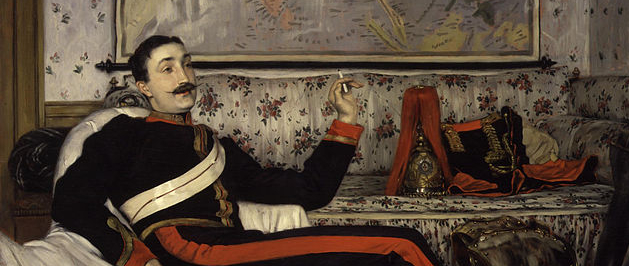
On 17 January 1885, the Household Cavalry lost one of its most legendary figures when Colonel Frederick Gustavus Burnaby was killed in action at the Battle of Abu Klea in present-day Sudan, fighting beside old comrades and dying as he had lived - with daring and courage.
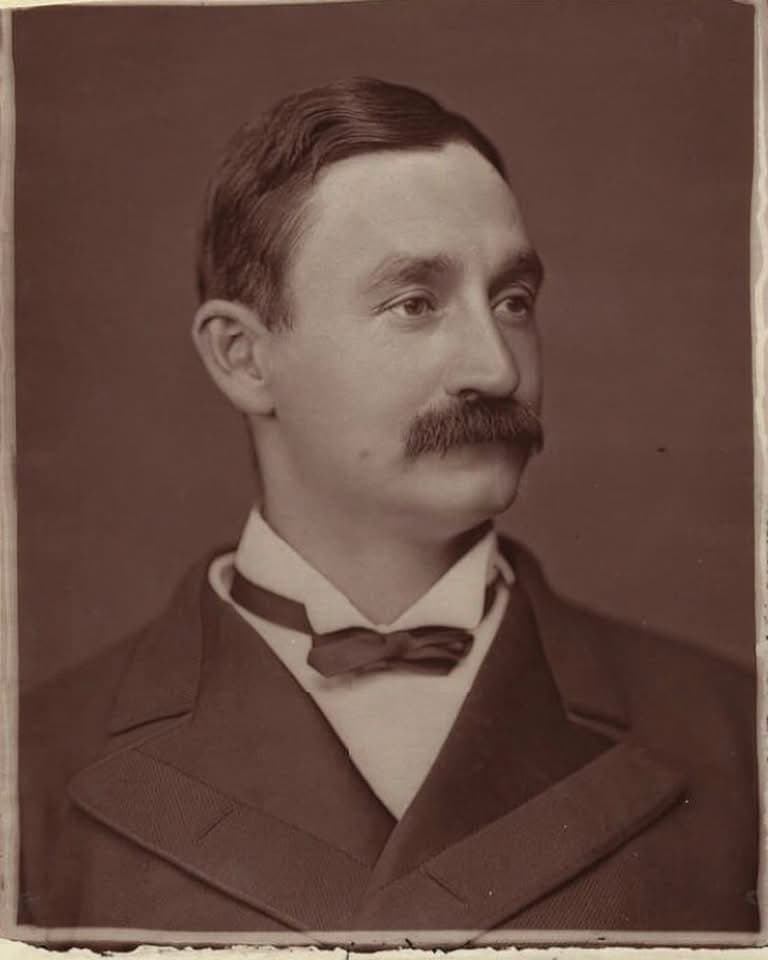
When General the Lord Wolseley was ordered to lead the Nile Expedition to relieve Major General Charles George Gordon, Burnaby was one of the senior officers whom he chose for his Staff. However, Burnaby’s ongoing unpopularity with the ‘powers-that-be’ ensured that the appointment was blocked by the Commander-in-Chief, Field Marshal HRH The Duke of Cambridge. Undeterred, Burnaby determined to follow up his earlier action against The Mahdi by mounting a one-man mission to rescue his former colleague. Knowing full-well that if his intention was discovered by the War Office he would be recalled, he let it be known that he was heading to South Africa for some big game hunting.
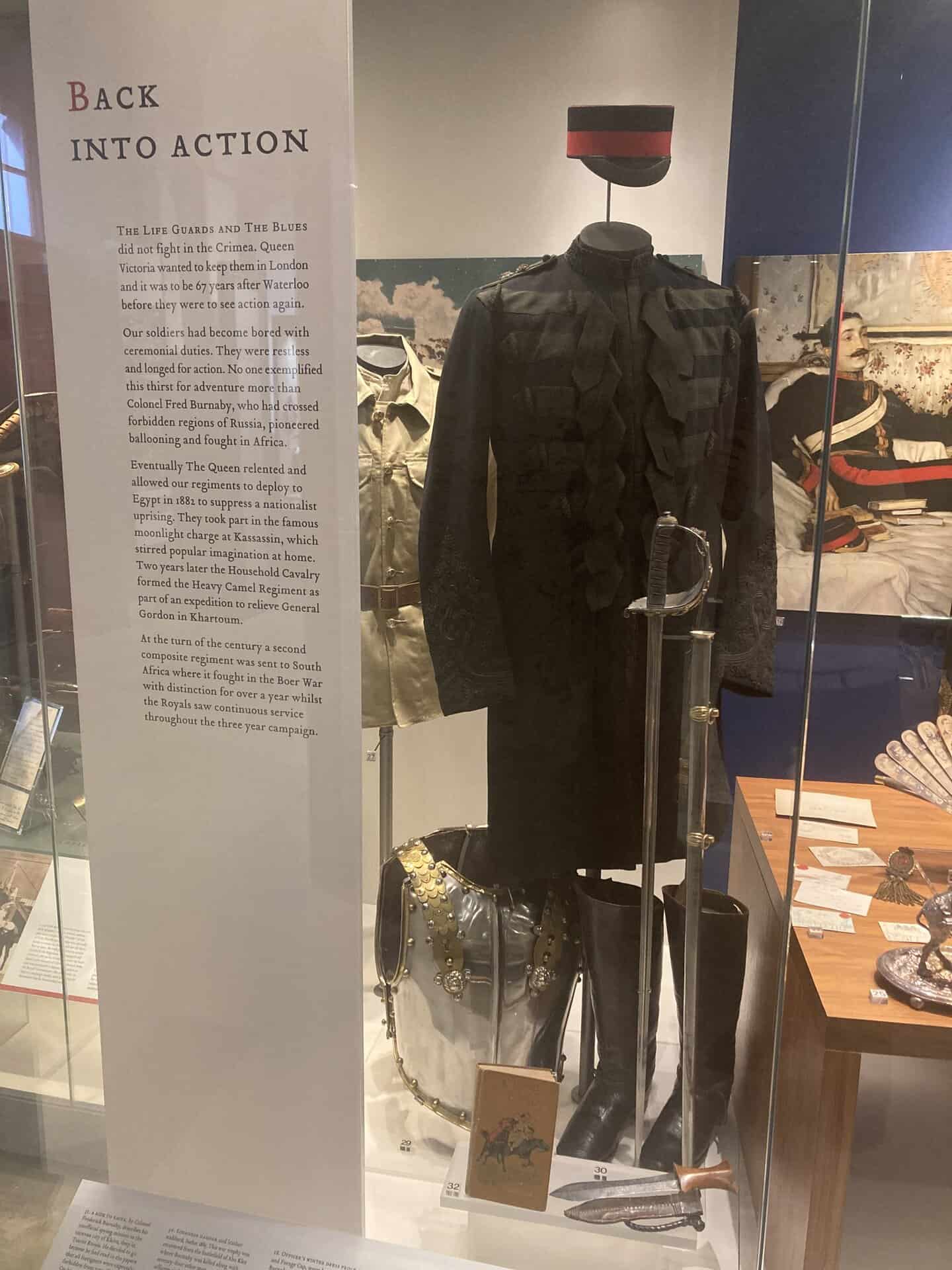
In great secrecy Burnaby made his way to Korti in north-central Sudan, where – dressed in an astrakhan-trimmed patrol jacket, butcher boots and, at that point, riding a donkey (Burnaby never mastered the art of riding a camel) – he met up with Wolseley’s Expeditionary Force enroute to Khartoum. Wolseley clearly recognised an unstoppable force when he saw one and, in defiance of the War Office but forbidding The Blue to use the shotguns he had in his kit, he appointed Burnaby a supernumerary Staff officer.
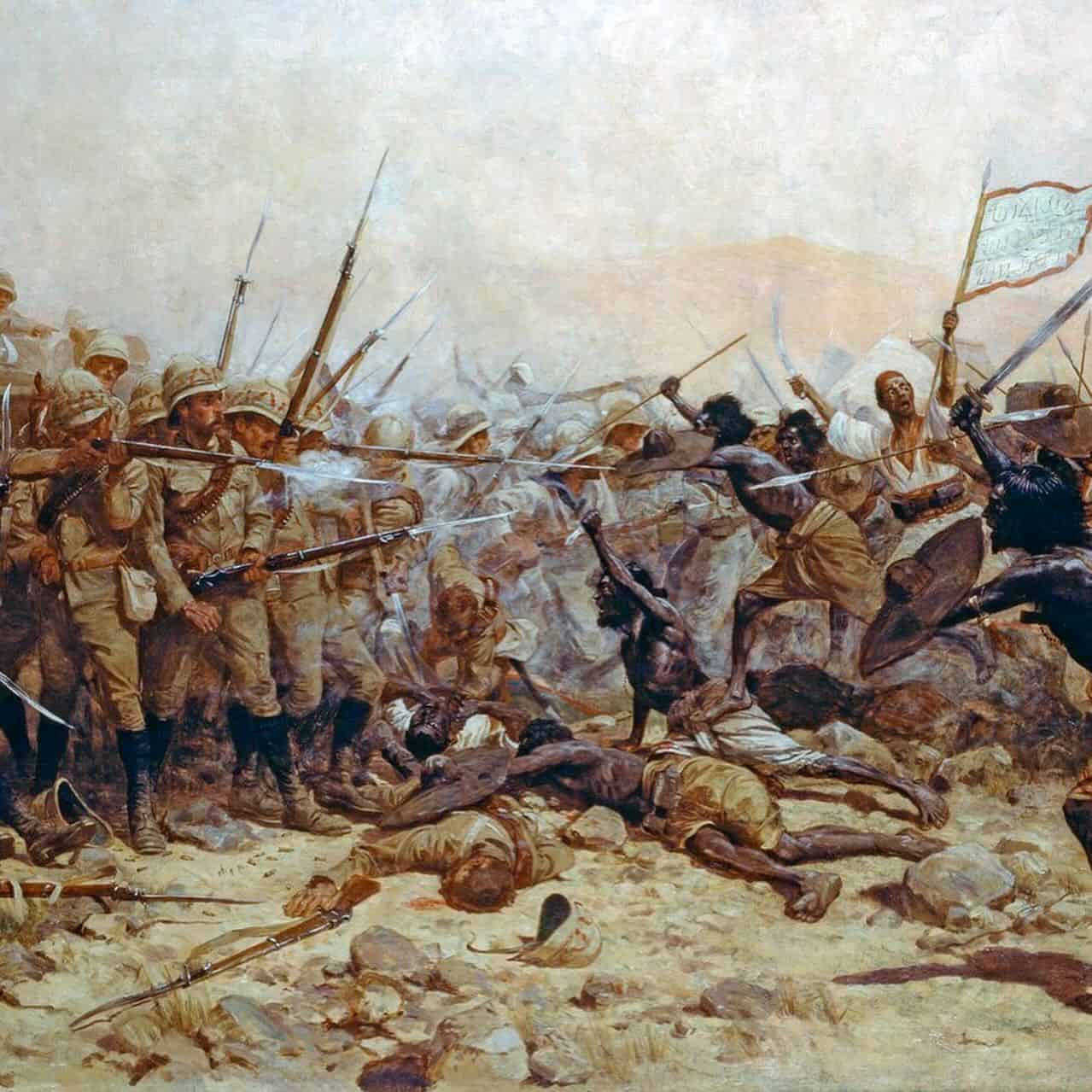
During the fierce hand-to-hand fighting that followed the breach of the British square, Burnaby was mortally wounded while attempting to assist an injured comrade, receiving a spear thrust to the throat. His attacker was immediately killed reportedly by a bayonet thrust from Corporal Mackintosh but Burnaby bled to death on the field, cradled by a private soldier. Lieutenant-Colonel Lord Binning later recorded that when news of Burnaby’s death spread through the ranks, many of the men openly wept at the loss of such a renowned and admired figure.
Burnaby was one of seventy-four British soldiers killed at Abu Klea. Although the battle was a tactical British victory, it proved a costly one, and together with the subsequent Battle of Abu Kru on 19 January 1885 contributed to fatal delays. As a result, the relief column failed to reach Khartoum in time to save General Charles Gordon. The city fell to Mahdist forces on 26 January 1885, with the expedition arriving two days later, on 28 January.
News of Burnaby’s death prompted widespread public mourning when it reached Britain. A popular and highly visible figure in Victorian society, he was mourned both within the Army and beyond it. Queen Victoria upon hearing of his death noted in her private diary that she took a sharp intake of breath and said poor Burnaby. The Household Cavalry marked his passing by banning music in The Blues’ barracks and the NCO’s Ball was cancelled and the Regiment went into mourning. Meanwhile, the press published lengthy obituaries, eulogising the oversized soldier and his overblown reputation.
Public anger over Burnaby’s death, combined with outrage at the failure of the Gordon Relief Expedition, intensified criticism of Prime Minister William Gladstone’s government and contributed to the political crisis surrounding the Sudan campaign.
In a final irony, Burnaby’s dramatic end at Abu Klea helped inspire a later generation of Household Cavalry officers to seek active service, eager to emulate the battlefield reputation of one of the regiment’s most famous sons.
The Household Cavalry Museum houses several artefacts belonging to Burnaby, including:
- His dress coat as an officer of the Royal Horse Guards, tailored to his unique proportions.
- A copy of his book, A Ride to Khiva, chronicling Burnaby’s self-funded expedition from London to the city of Khiva in Uzbekistan, despite the prohibition on foreigners travelling to the region by Tsar Alexander II following Russian annexation of Uzbekistan.
- The riding boots Burnaby was wearing that fateful day at Abu Klea.
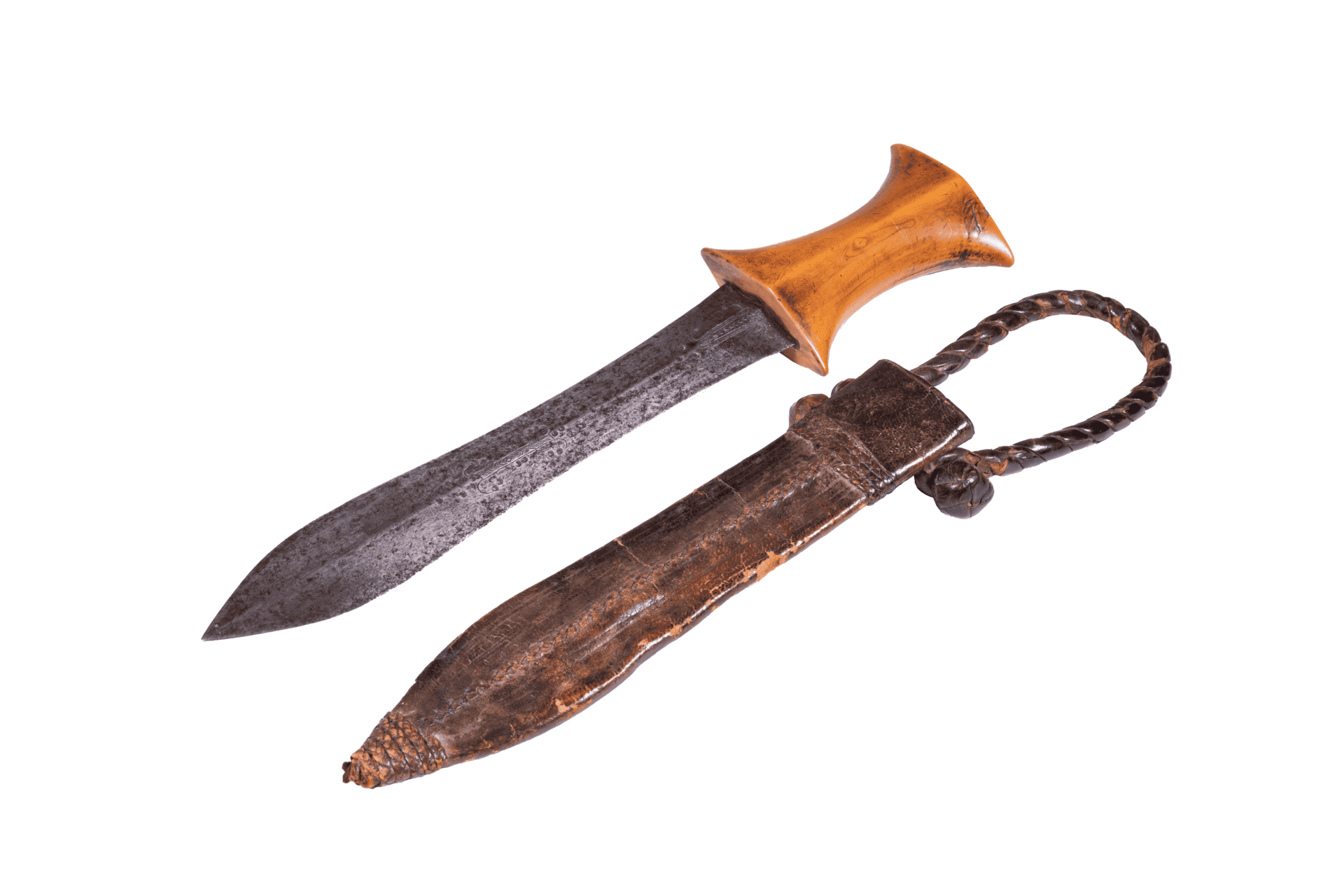
- A Sudanese dagger and leather scabbard - a war trophy recovered from Abu Klea where Burnaby was killed.
Contents
Latest stories
Blog stories
King's Troop Royal Horse Artillery
11th September 2026
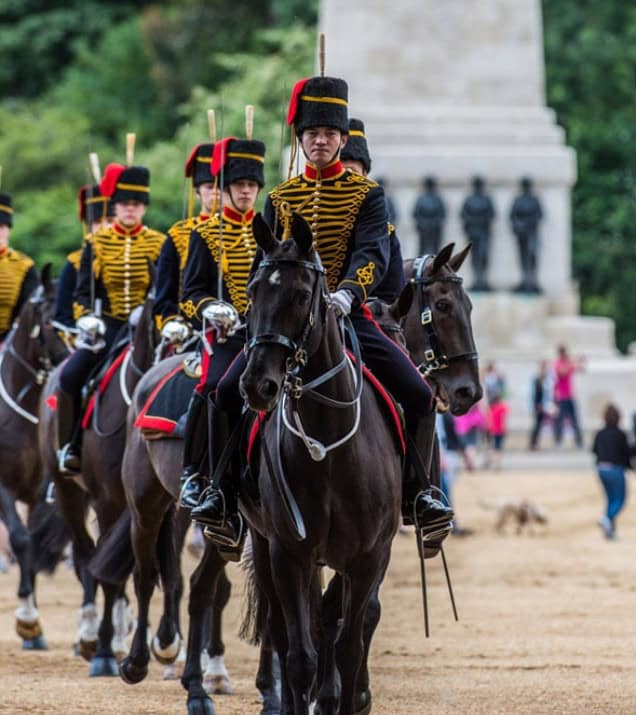
For the next few weeks, the Mounted Guard duty here at Horse Guards will be passed to the King’s Troop Royal Horse Artillery. The soldiers are extremely visually distinctive from the Household Cavalry due to their black and gold uniforms and the black fur busbies they wear in place of helmets. You will usually find the King’s Troop firing the...
HCM News
Household Cavalry Museum unveils multilingual multimedia audio tours
27th August 2026
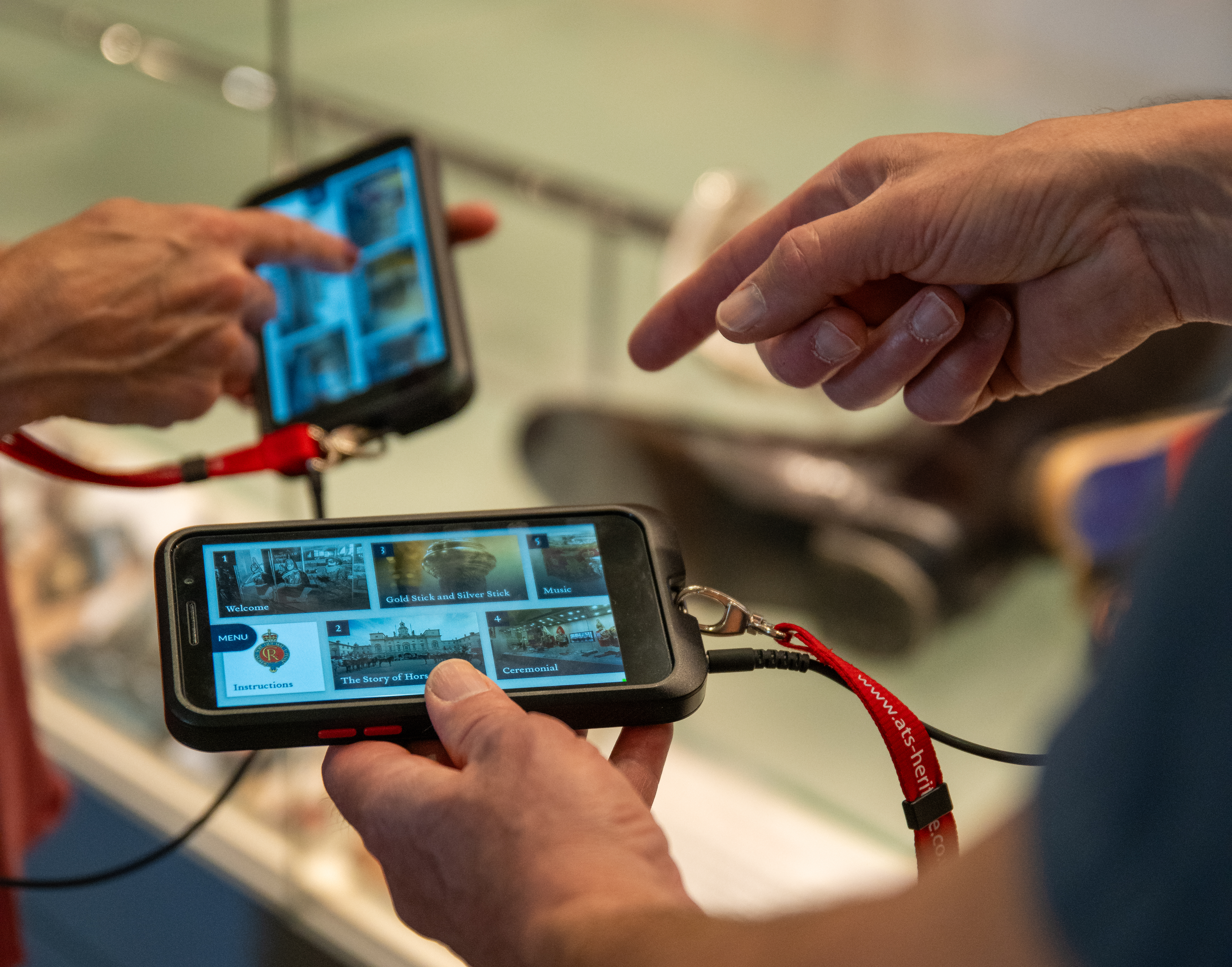
The Household Cavalry Museum has launched its new multimedia audio tours, now available in six languages: English, German, French, Italian, Spanish and Chinese. The new tours represent an investment in enhancing the visitor experience and reflect the museum’s ongoing commitment to making its collections and stories more accessible to audiences from around the world. Located in the heart of London’s historic...
Soldiers' stories
Remembering the Hyde Park Bombing, 20 July 1982
20th July 2026
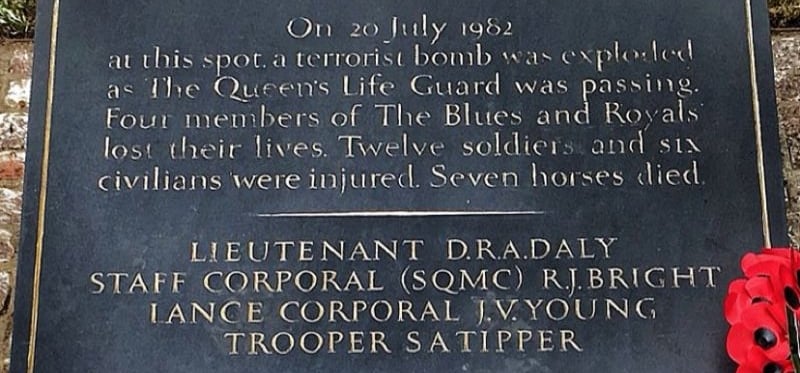
It is sometimes easy to forget, when seeing the Household Cavalry processing through London in all their pageantry, or standing motionless on their ceremonial guard duty along Whitehall, that they not simply symbols of tradition but serving soldiers of the British Army. . Behind the polished cuirasses and gleaming helmets are men and women who accept the same risks and...
Regimental Histories
The Extraordinary Objects of Waterloo
17th June 2026
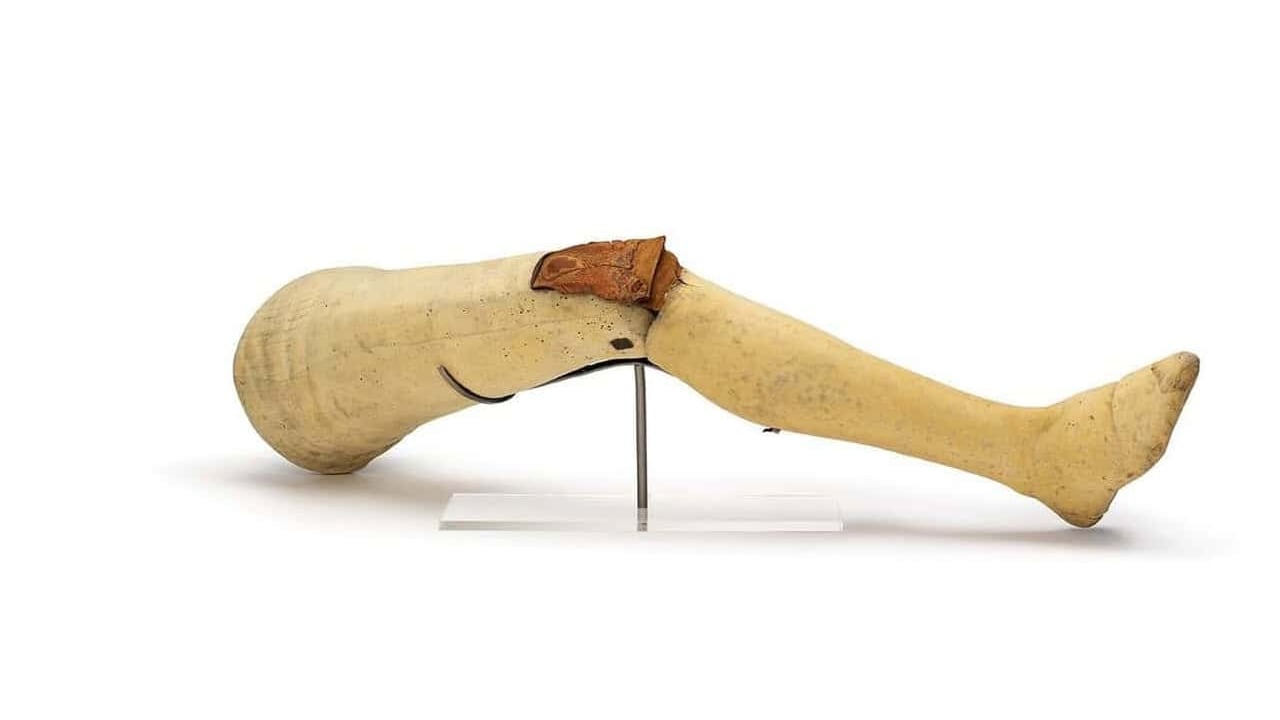
More than 200 years after the Battle of Waterloo ended Napoleon Bonaparte's ambitions and brought the Napoleonic Wars to a close, a handful of remarkable artefacts continue to tell the human stories behind the famous victory. Among the most fascinating items in the Household Cavalry Museum are the skull cast of Corporal of Horse John Shaw, the prosthetic leg of...
Cavalry Horses
Sefton's Story: Courage in the Face of Tragedy
14th July 2026
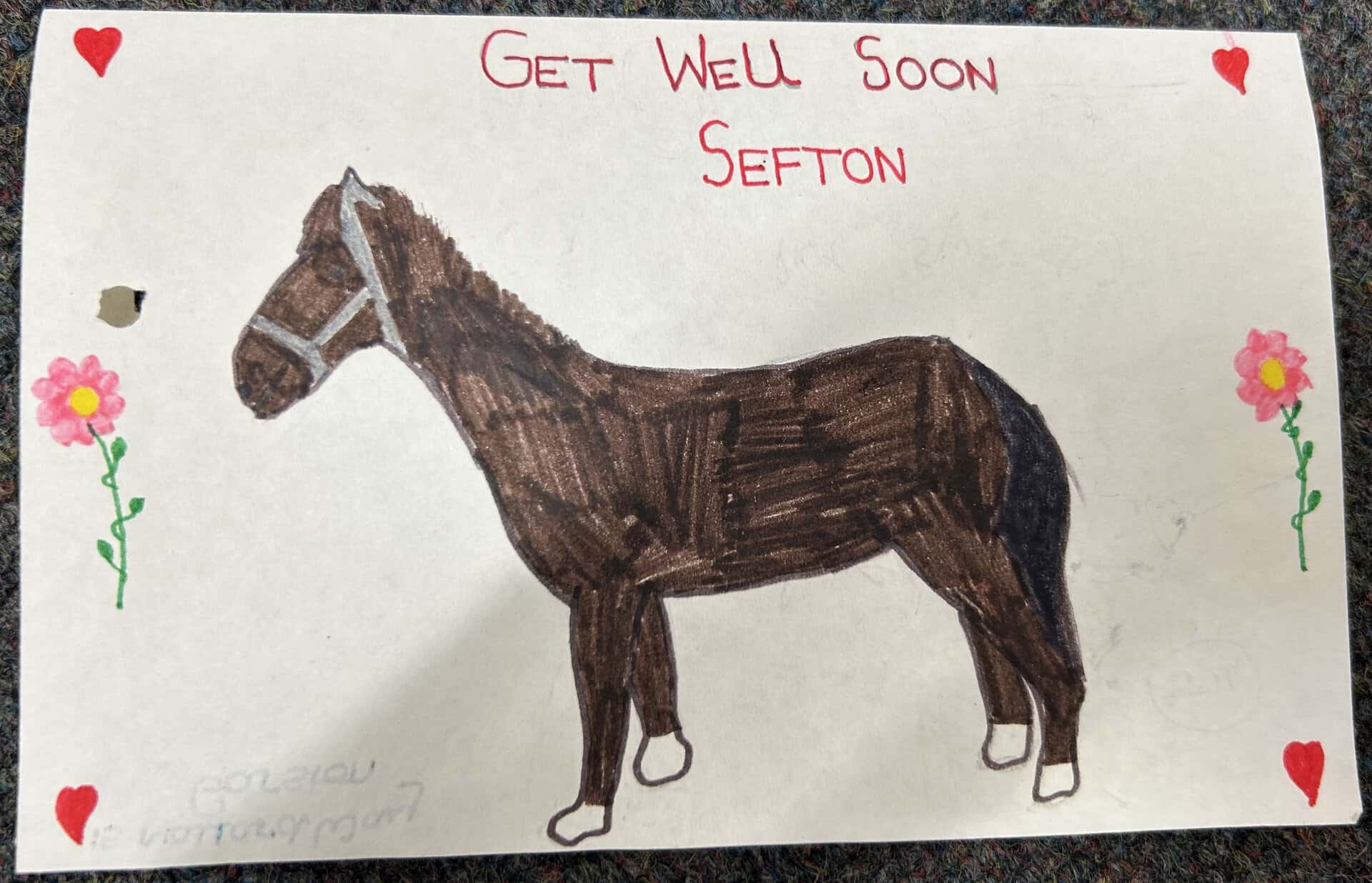
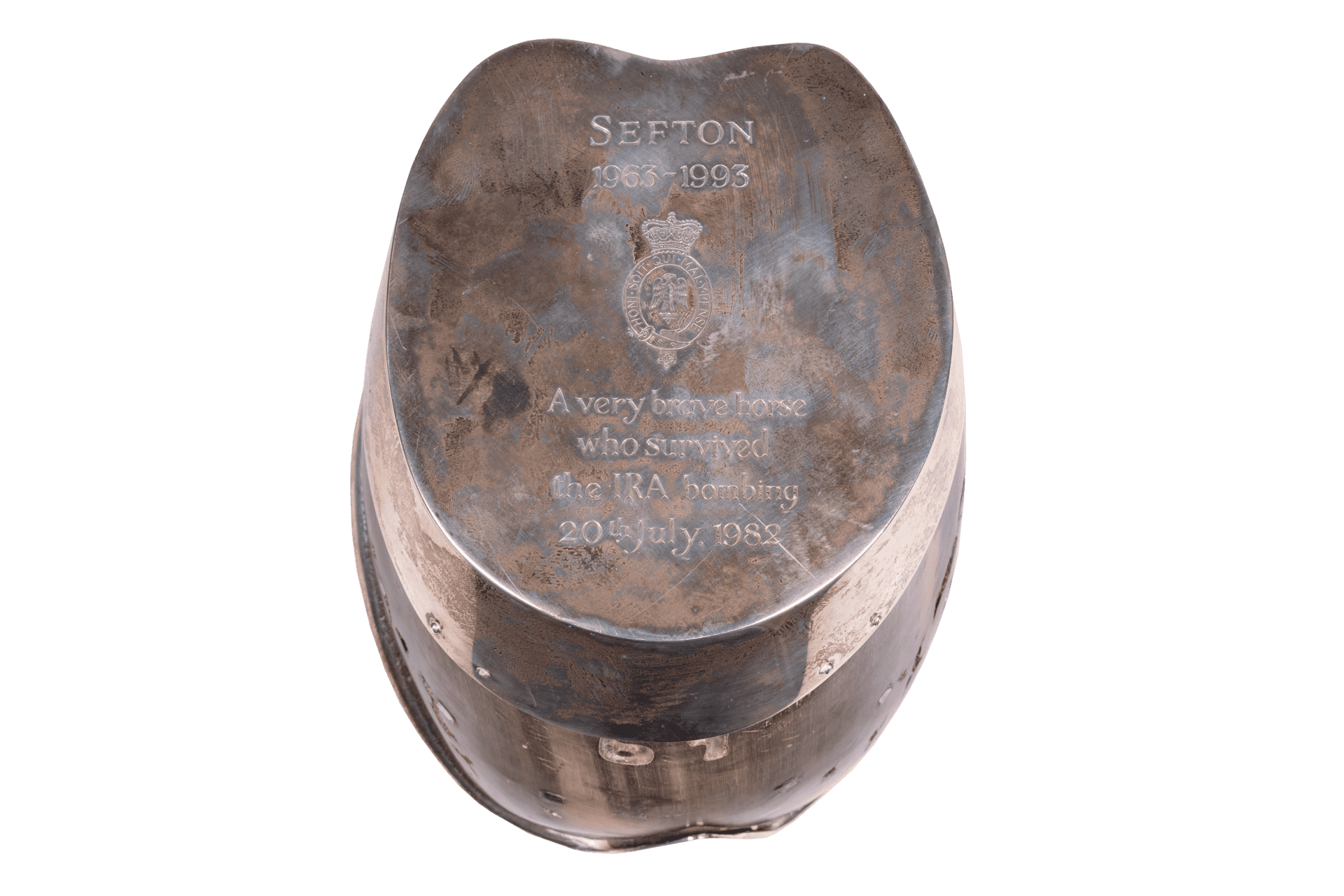
On the 9th of July, we remember Sefton, one of the Household Cavalry’s most famed horses of recent history, who embodied the regiment’s attentiveness to the well-being and care of its horses. Initially notorious amongst the regiment for stubbornness and bad behaviour, Sefton entered British history through horrific circumstances to become a symbol of fortitude, resilience and defiance. He became...
Regimental Histories
Soldiers' stories
Blog stories
The Charge of the 1st Life Guards at Genappe
17th June 2026
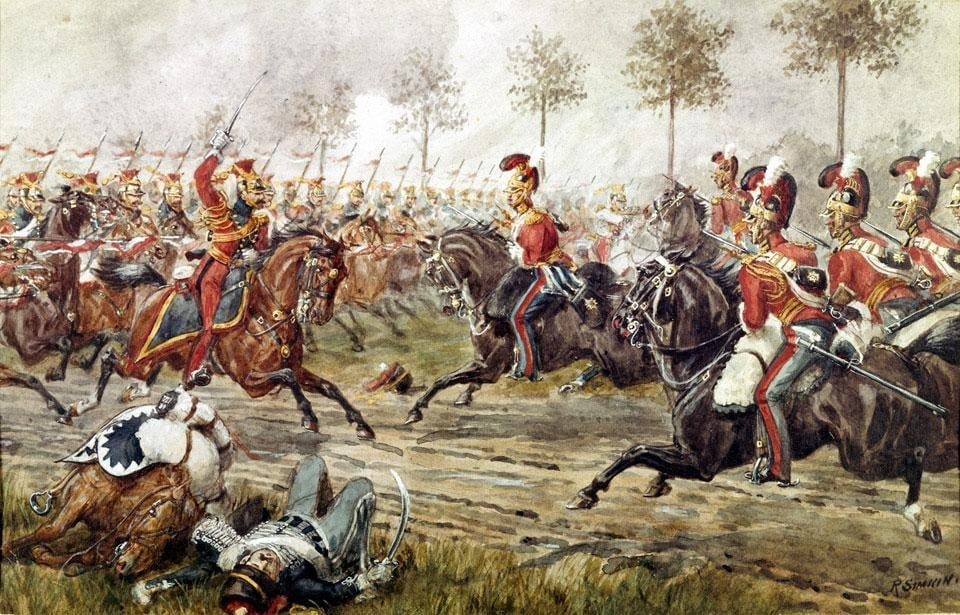
On 17 June 1815, just one day before the Battle of Waterloo, the 1st Life Guards hurled themselves into battle at the Belgian village of Genappe, fighting a savage rearguard action that rescued their comrades of the 7th Hussars and 23rd Light Dragoons from French lancers. Their timely intervention successfully threw back the French cavalry pursuing the Anglo-Allied army as...
Regimental Histories
Arms, Armour & Uniform
Dressed for Duty: The History of the Household Cavalry Uniforms
27th May 2026
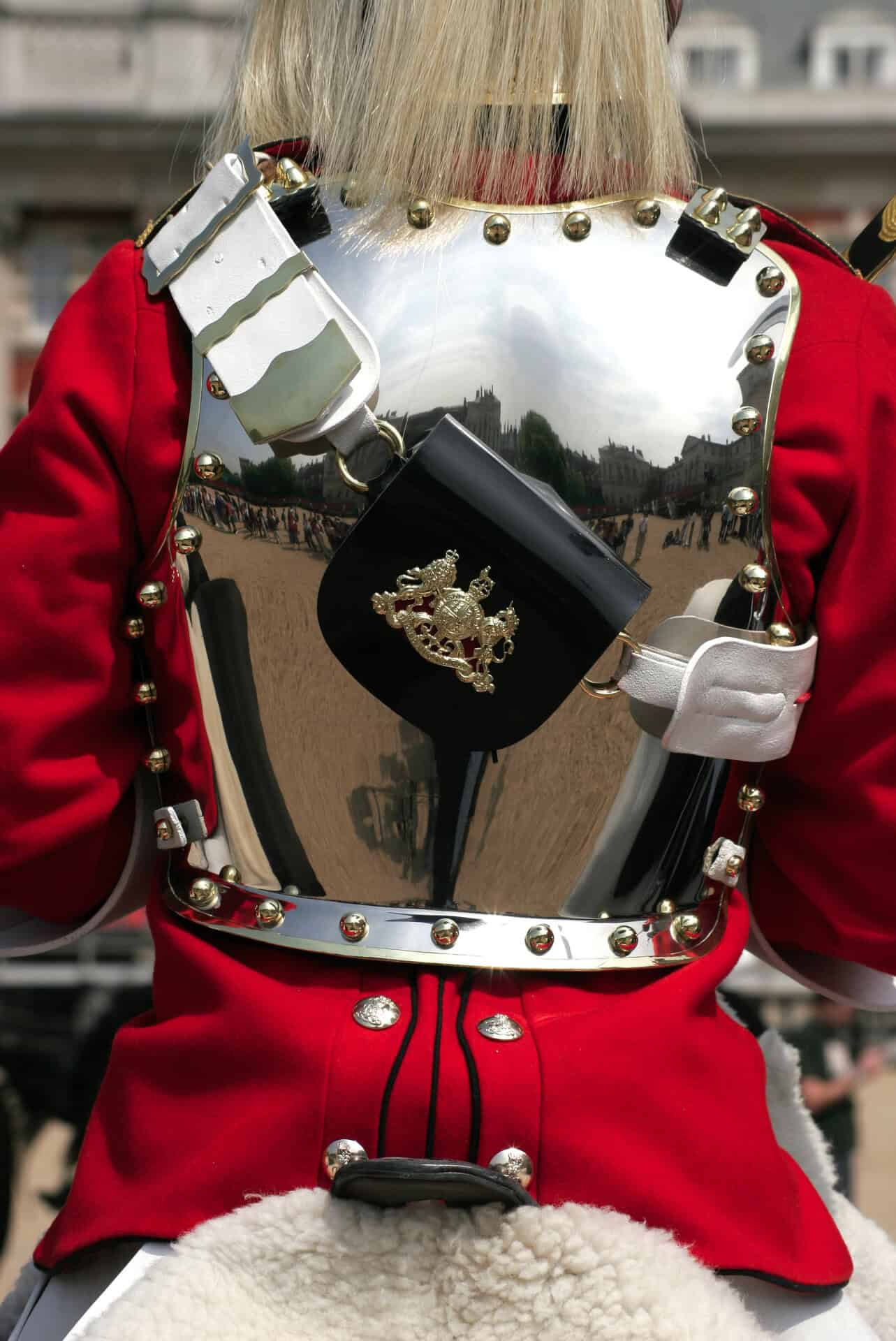
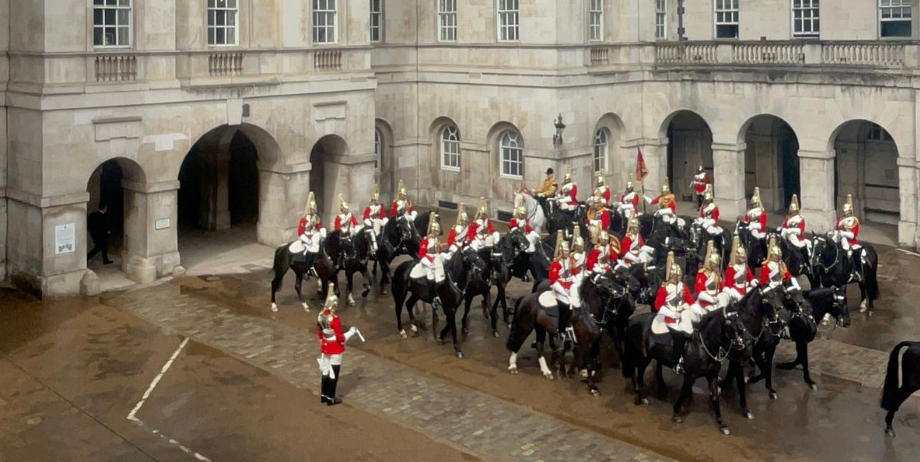
The two regiments of the Household Cavalry, the Life Guards and the Blues and Royals, are visually distinctive on parade, particularly in the coming months when they are a focal point of the summer pageantry on Horse Guards Parade. But what is the significance of their vibrant and ornate uniforms? Why do some members of the Household Cavalry differ from...
Blog stories
The Household Cavalry at the State Opening of Parliament
13th May 2026
The State Opening of Parliament is one of the most magnificent ceremonial occasions in the British calendar - and at its heart, the Household Cavalry play a central and historic role. Each year, as Parliament begins its new session, the Monarch travels in procession from Buckingham Palace to Westminster. It is the Household Cavalry who lead the way: over one...
Regimental Histories
What the Objects Don’t Say: Inside the Household Cavalry Museum Collection
13th April 2026
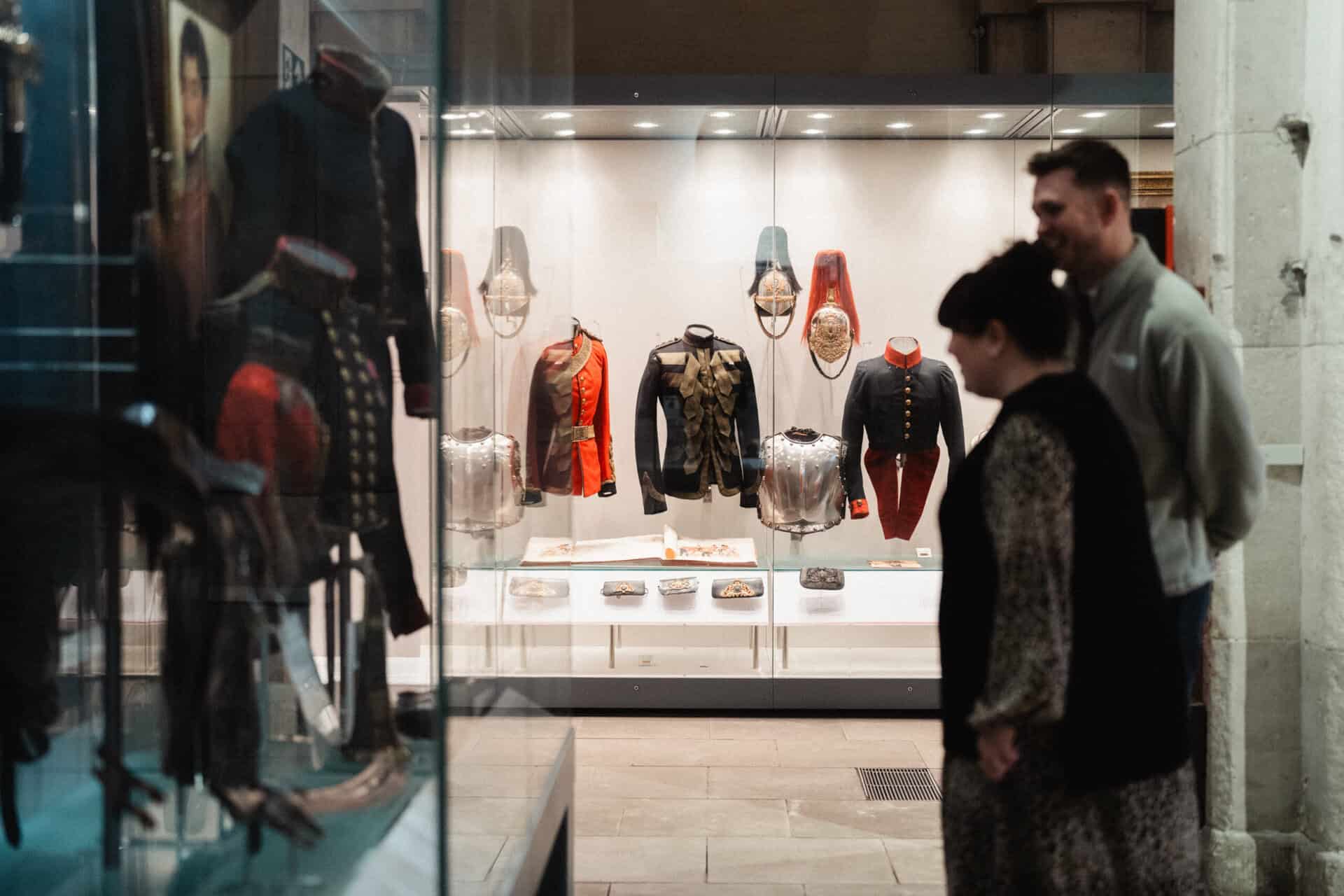
Every artefact displayed in the Household Cavalry Museum comes with a unique story attached, some far stranger than others - from a phenomenally expensive officer’s breastplate worn only once, to a sword wielded in combat at the Battle of Waterloo, to a campaign medal awarded to a cavalry horse for bravery. It is the Museum’s responsibility to preserve this historical...
Regimental Histories
Philip the Bear: The Household Cavalry's Most Unlikely Companion
23rd March 2026
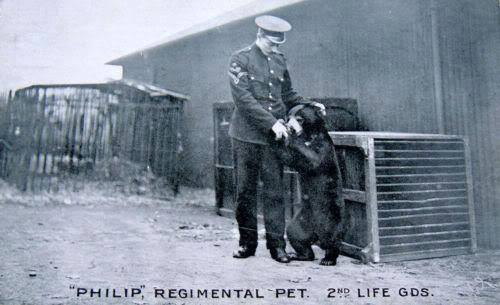
Horses more likely come to mind than bears when one mentions the Household Cavalry, but strange as it sounds, a bear has a unique claim to fame in the Household Cavalry’s regimental history, a fitting story for World Bear Day today… Phillip was a brown bear, possibly imported from Canada where they are a native species, owned as a pet...
Cavalry Horses
From Waterloo to Hyde Park: The Horses of the Household Cavalry
25th February 2026
International War Animal Day commemorates the animals of all shapes and sizes that have served, suffered and died in human conflicts throughout history: from cavalry horses and military service dogs to carrier pigeons and camels. The occasion holds particular significance for the Household Cavalry. Across centuries of military service, the Cavalry Blacks have taken part in some of the bloodiest...

Cavalry Horses
Top 10 Facts about the Horses of The Household Cavalry
17th December 2025
Towering, disciplined and steeped in centuries of tradition, the Horses of the Household Cavalry Mounted Regiment (HCMR) are as much a part of Britain’s ceremonial heritage as the soldiers who ride them. At full strength, the Regiment cares for more than 280 horses, including those fully trained and in training. To help visitors better understand these remarkable animals and the...

HCM News
A very special visit
24th April 2025
It was a pleasure to welcome Amin and his father Esmail to the museum yesterday (10/04/2024) for a very special visit. Amin, a keen fan of the Household Cavalry, had the chance to get up close with the uniforms, history, and traditions he admires so much at our museum. It was a joy to see his enthusiasm and curiosity come...

Regimental Histories
The Household Cavalry’s Royal Connections
17th April 2025
For over 350 years, the Household Cavalry has stood as a living link between the British Monarchy and its armed forces. From its origins under Charles II to its modern ceremonial duties, the Household Cavalry’s story is woven tightly into the fabric of royal history. Charles II: The Founding Monarch The story begins in the reign of Charles II, who,...

Regimental Histories
The Household Cavalry Timeline: 350 Years of History, Honour and Horses
17th April 2025
The story of the Household Cavalry is not just a tale of ceremonial pomp - it's a living timeline of royal service, military tradition, and national history. From the battlefields of Europe to the heart of London’s ceremonial life, the regiments that make up today’s Household Cavalry have played a continuous and evolving role since the 17th century. 1660 –...

Soldiers' stories
John Edwards (1st Life Guards)
31st December 2024
John Edwards was born on the 4 October 1799 in Westminster, London and joined the 1st Life Guards (1st LG) in 1809 aged just 9 years old and under 4 feet tall....


